
E489
E489 - Methyl glucoside-coconut oil ester
✅ Risk Level: Safe • Thickener/Stabilizer
About this additive
Origin
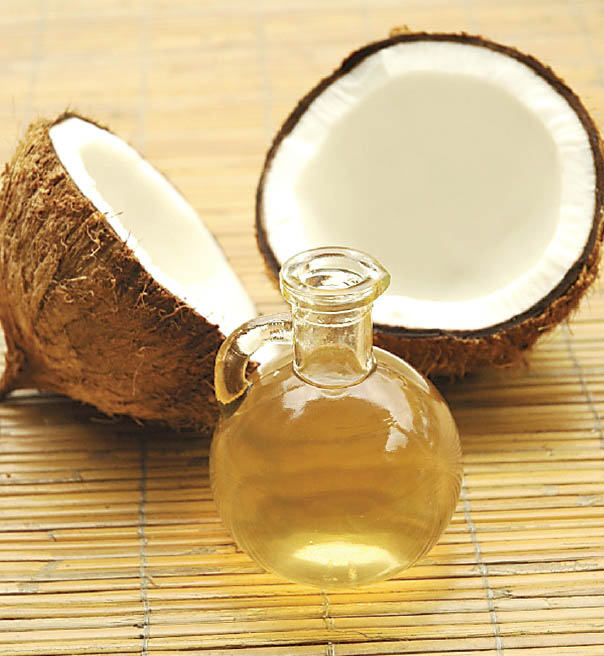
Methyl glucoside-coconut oil ester is derived from the esterification of methyl glucoside (a derivative of glucose) with fatty acids obtained from coconut oil. Methyl glucoside itself is produced by reacting glucose with methanol. Coconut oil is a natural vegetable oil extracted from the kernel or meat of mature coconuts harvested from the coconut palm (Cocos nucifera).Usage
This additive functions primarily as a surfactant and emulsifier in food and cosmetic products. It helps to reduce the surface tension between liquids, allowing them to mix more easily and preventing separation. In food applications, it can be used to improve the texture and stability of various products, such as sauces, dressings, and baked goods. In cosmetics, it is used in lotions, creams, and cleansers to enhance their spreadability and moisturizing properties. The specific applications are limited, and it is not as widely used as other emulsifiers like lecithin or mono- and diglycerides of fatty acids.Side Effects
Based on available data, methyl glucoside-coconut oil ester is considered to have low toxicity. Studies have shown that it is generally well-tolerated when ingested or applied topically. However, as with any substance, there is a potential for allergic reactions in sensitive individuals. Symptoms of an allergic reaction may include skin irritation, rash, or itching. There is no established ADI (Acceptable Daily Intake) for this specific compound, suggesting a relatively low level of concern regarding its safety at typical usage levels. Further research may be needed to fully assess its long-term effects.Regulatory Status
The regulatory status of methyl glucoside-coconut oil ester varies by region. It is permitted for use in food and cosmetic products in some countries, subject to specific limitations and regulations regarding its concentration and application. It is important to consult the relevant regulatory authorities in each jurisdiction to determine the permissible uses and levels of this additive.Sources
- 📚 CosIng
- 📚 Personal Care Council
- 📚 Some supplier datasheets
Quick Facts
Type
Thickener/Stabilizer
Risk Level
✅ Safe
Vegan?
✅ Yes
Halal?
✅ Yes