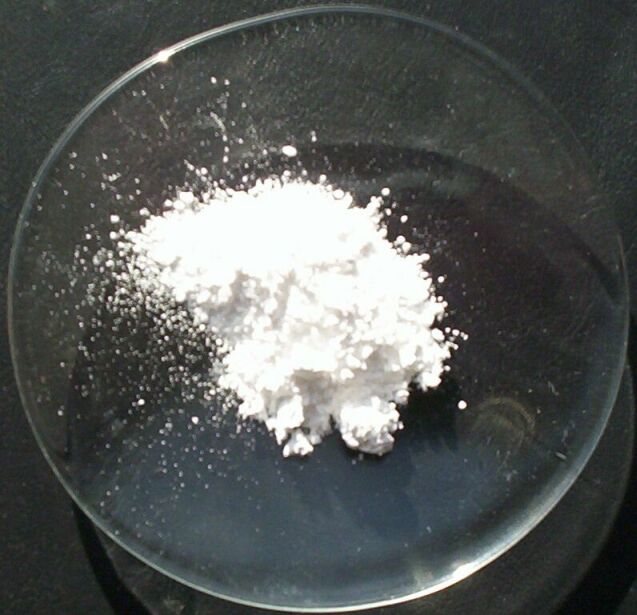
E530
E530 - Magnesium oxide
✅ Risk Level: Safe • Acidity Regulator
About this additive
Origin
Magnesium oxide (MgO) is an inorganic compound, also known as magnesia. It occurs naturally as the mineral periclase and is produced on a large scale from seawater, brine, and magnesium-containing minerals like magnesite (MgCO3) and dolomite (CaMg(CO3)2). The production process typically involves calcination, where the raw materials are heated to high temperatures to decompose carbonates and hydroxides, leaving behind magnesium oxide.Usage
In the food industry, magnesium oxide serves multiple purposes. It is primarily used as an anti-caking agent to prevent powdered or granular foods from clumping together, ensuring free flow and ease of handling. It is also employed as a pH adjuster to control the acidity or alkalinity of food products. Furthermore, magnesium oxide can be used as a source of magnesium, an essential mineral, in dietary supplements and fortified foods. It is found in products like powdered milk, spices, and baking mixes. In pharmaceutical applications, it is used as an antacid and laxative.Side Effects
Magnesium oxide is generally considered safe for consumption in moderate amounts. However, excessive intake can lead to gastrointestinal issues such as diarrhea, abdominal cramping, and nausea. These effects are typically mild and transient. Individuals with kidney problems should exercise caution, as excessive magnesium intake can exacerbate their condition. There is no established Acceptable Daily Intake (ADI) for magnesium oxide as it is considered a nutrient, but intake should be within tolerable upper limits for magnesium from all sources. The EFSA (European Food Safety Authority) has evaluated magnesium compounds, including magnesium oxide, and considers them safe when used as food additives within specified limits.Regulatory Status
Magnesium oxide (E530) is approved for use as a food additive in the European Union and is listed in Annex II of Regulation (EC) No 1333/2008. It is also permitted for use in food in the United States, where it is Generally Recognized As Safe (GRAS) by the Food and Drug Administration (FDA) under 21 CFR 184.1431. Its use is subject to good manufacturing practices and is limited to the minimum quantity necessary to achieve its intended technical effect.Sources
- 📚 EFSA 2023
- 📚 FDA CFR 21
- 📚 Wikipedia
- 📚 PubChem
Quick Facts
Type
Acidity Regulator
Risk Level
✅ Safe
Vegan?
✅ Yes
Halal?
✅ Yes