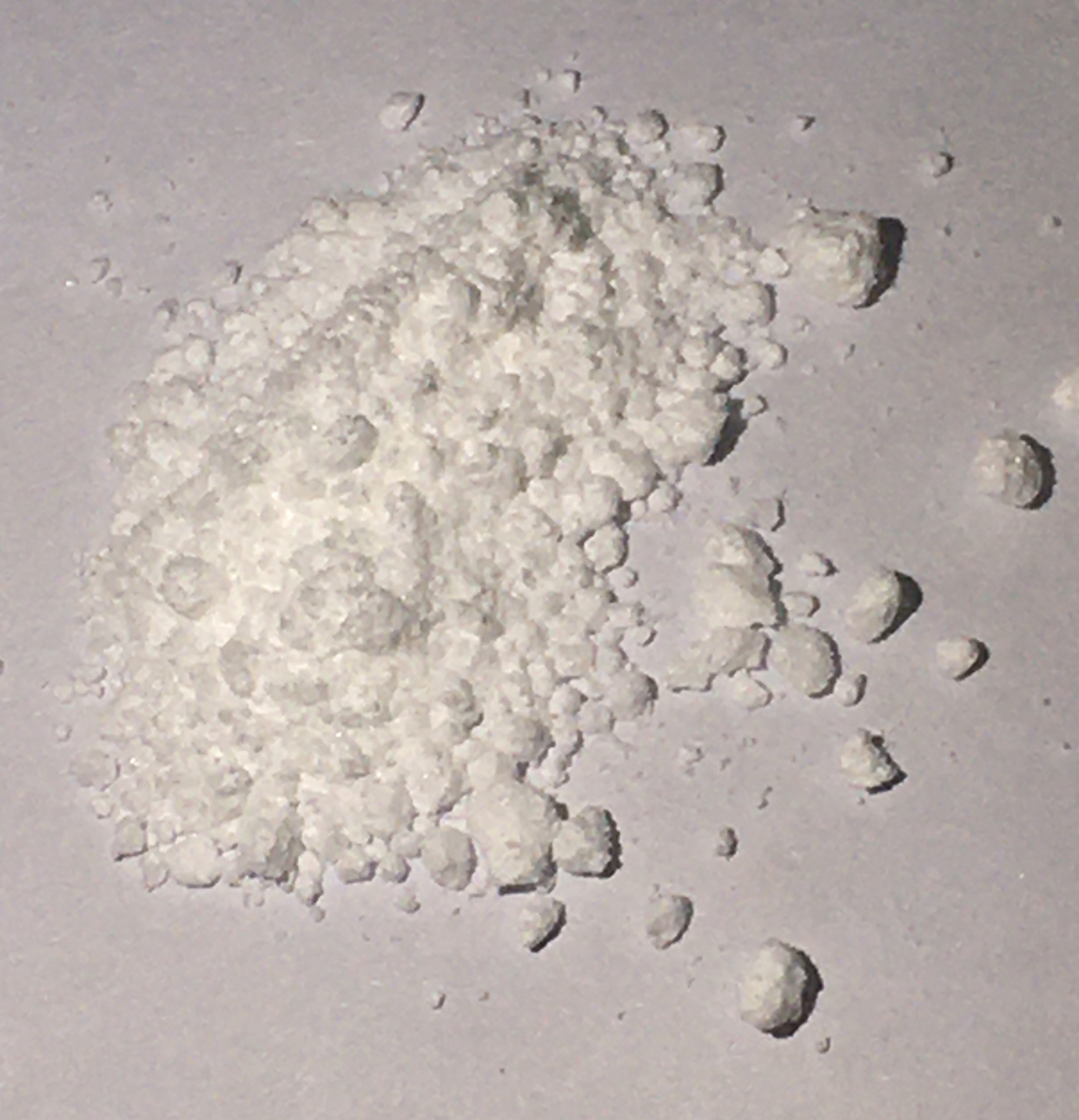
E331 - クエン酸ナトリウム
E331

クエン酸ナトリウム

✅ Risk Level: Safe Antioxidant

About this additive

Origin

Sodium citrates are sodium salts of citric acid. They are produced commercially by the neutralization of citric acid with a high-purity sodium source, such as sodium hydroxide or sodium carbonate, followed by crystallization and drying. Citric acid itself is naturally present in citrus fruits, but for industrial production, it is primarily manufactured through the fermentation of sugars by Aspergillus niger.

Usage

Sodium citrates are widely used in the food and beverage industry as buffering agents, emulsifiers, stabilizers, and preservatives. They help to control the pH of food products, preventing them from becoming too acidic or basic. This is particularly important in processed foods where pH stability is crucial for maintaining quality and preventing spoilage. They also act as emulsifiers, helping to disperse fats and oils in water-based solutions, and as sequestrants, binding to metal ions to prevent discoloration and off-flavors. In beverages, sodium citrates contribute to tartness and flavor enhancement. They are also used in pharmaceuticals as anticoagulants and buffering agents.

Side Effects

Sodium citrates are generally recognized as safe (GRAS) by regulatory agencies like the FDA. They are considered to have low toxicity. High doses may cause mild gastrointestinal discomfort, such as nausea or diarrhea, in sensitive individuals. Individuals with impaired kidney function should exercise caution, as excessive intake of sodium citrates can lead to sodium accumulation. The Acceptable Daily Intake (ADI) is not specified by EFSA, indicating a high level of safety based on current scientific evidence. However, as with any food additive, excessive consumption should be avoided.

Regulatory Status

Sodium citrates are approved for use as a food additive in many countries, including the United States, the European Union, and Canada. In the EU, they are designated as E331. They are regulated under various food safety regulations, ensuring that they meet purity standards and are used at safe levels in food products. The FDA includes sodium citrate on its GRAS list (Generally Recognized as Safe).

Sources

  • 📚 EFSA
  • 📚 FDA CFR 21
  • 📚 Wikipedia
  • 📚 PubChem
Quick Facts
Type Antioxidant
Risk Level ✅ Safe
Vegan? ✅ Yes
Halal? ✅ Yes
🌱 Show all Vegan Additives