E501II
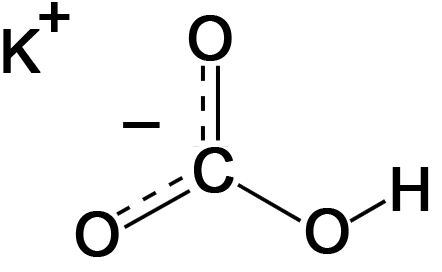
E501ii - Potassium hydrogen carbonate
✅ Risk Level: Safe • Additive
About this additive
Origin
Potassium hydrogen carbonate, also known as potassium bicarbonate, is an inorganic salt composed of potassium, hydrogen, carbon, and oxygen. It is derived from potassium carbonate through a process of saturation with carbon dioxide. It occurs naturally as a mineral, but is commercially produced for various applications.Usage
Potassium hydrogen carbonate is widely used in the food industry as a leavening agent, providing carbon dioxide to baked goods, similar to baking soda (sodium bicarbonate). It is also used as a buffering agent to control pH levels in food products. In beverages, it can be used as an effervescent agent. Furthermore, it finds application in winemaking to reduce acidity. It is also used in some antacids. In agriculture, it is used as a fungicide, particularly for controlling powdery mildew and black spot on plants. It is also used in fire extinguishers.Side Effects
Potassium hydrogen carbonate is generally recognized as safe (GRAS) for its intended uses in food. Excessive consumption may lead to electrolyte imbalances, particularly in individuals with impaired kidney function. High doses can cause gastrointestinal discomfort, including nausea and diarrhea. There is no established ADI (Acceptable Daily Intake) for potassium hydrogen carbonate, as it is considered safe at levels typically used in food. However, individuals with potassium-related medical conditions should consult with a healthcare professional before consuming large amounts.Regulatory Status
Potassium hydrogen carbonate (E501ii) is approved for use as a food additive in the European Union (EU) and is listed in Annex II of Regulation (EC) No 1333/2008 on food additives. It is also approved for use in the United States by the Food and Drug Administration (FDA) under the GRAS (Generally Recognized as Safe) designation. Its use is also permitted in many other countries worldwide, subject to local regulations and limitations.Sources
- 📚 EFSA 2018
- 📚 FDA CFR 21
- 📚 Wikipedia
- 📚 PubChem
Quick Facts
Type
Additive
Risk Level
✅ Safe
Vegan?
✅ Yes
Halal?
❓ Maybe