
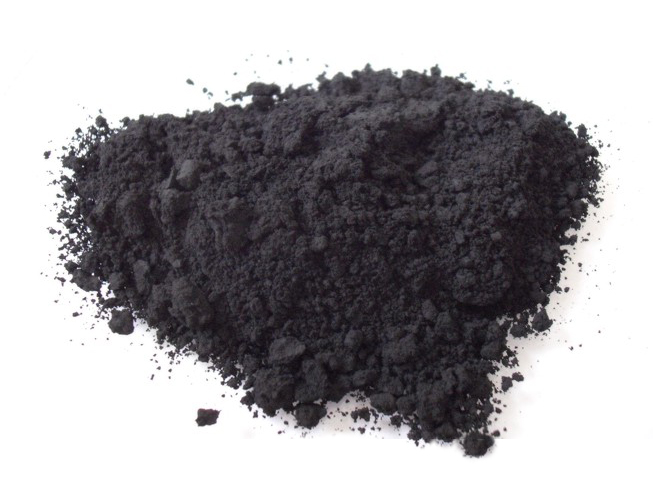
E152
E152 - Black 7984
⚠️ Risk Level: Caution • Colorant
About this additive
Origin
E152, also known as Black 7984 or Carbon Black, is a synthetic black pigment primarily derived from the incomplete combustion of vegetable matter. It consists predominantly of elemental carbon. The manufacturing process involves carefully controlled burning to produce fine particles of carbon, which are then collected and processed for use as a food colorant.Usage
E152 is used as a black food coloring agent. Its applications are limited due to regulatory restrictions and concerns about potential health effects. It is found in some confectionery products, such as licorice, and certain decorative coatings. The amount used is typically very small to achieve the desired color intensity. However, its use in food is becoming increasingly rare due to the availability of safer alternatives and consumer preferences.Side Effects
While E152 has been approved for use in some regions, concerns exist regarding its potential carcinogenicity, particularly if it contains polycyclic aromatic hydrocarbons (PAHs) as contaminants. The presence of PAHs is dependent on the manufacturing process and the purity of the final product. Regulatory bodies like EFSA have evaluated the safety of E152, focusing on the levels of PAHs. The ADI (Acceptable Daily Intake) is very low or not specified in many regions due to these concerns. Some studies suggest potential links to gastrointestinal issues and other adverse health effects, although more research is needed. Due to these concerns, its use is restricted or banned in several countries.Regulatory Status
The regulatory status of E152 varies significantly across different regions. In the European Union, its use in food is restricted. The EFSA (European Food Safety Authority) has conducted evaluations on the safety of carbon black, focusing on the levels of PAHs. The FDA (Food and Drug Administration) in the United States does not generally recognize E152 as safe for use in food. Other countries, such as Australia and New Zealand, also have restrictions or bans on its use. The regulatory landscape is constantly evolving as new scientific evidence emerges.Sources
- 📚 EFSA 2012
- 📚 Wikipedia
- 📚 Commission Regulation (EU) No 231/2012
Quick Facts
Type
Colorant
Risk Level
⚠️ Caution
Vegan?
✅ Yes
Halal?
✅ Yes