E161 - E161 - Xanthophylls
E161

E161 - Xanthophylls

✅ Risk Level: Safe Colorant

About this additive

Origin

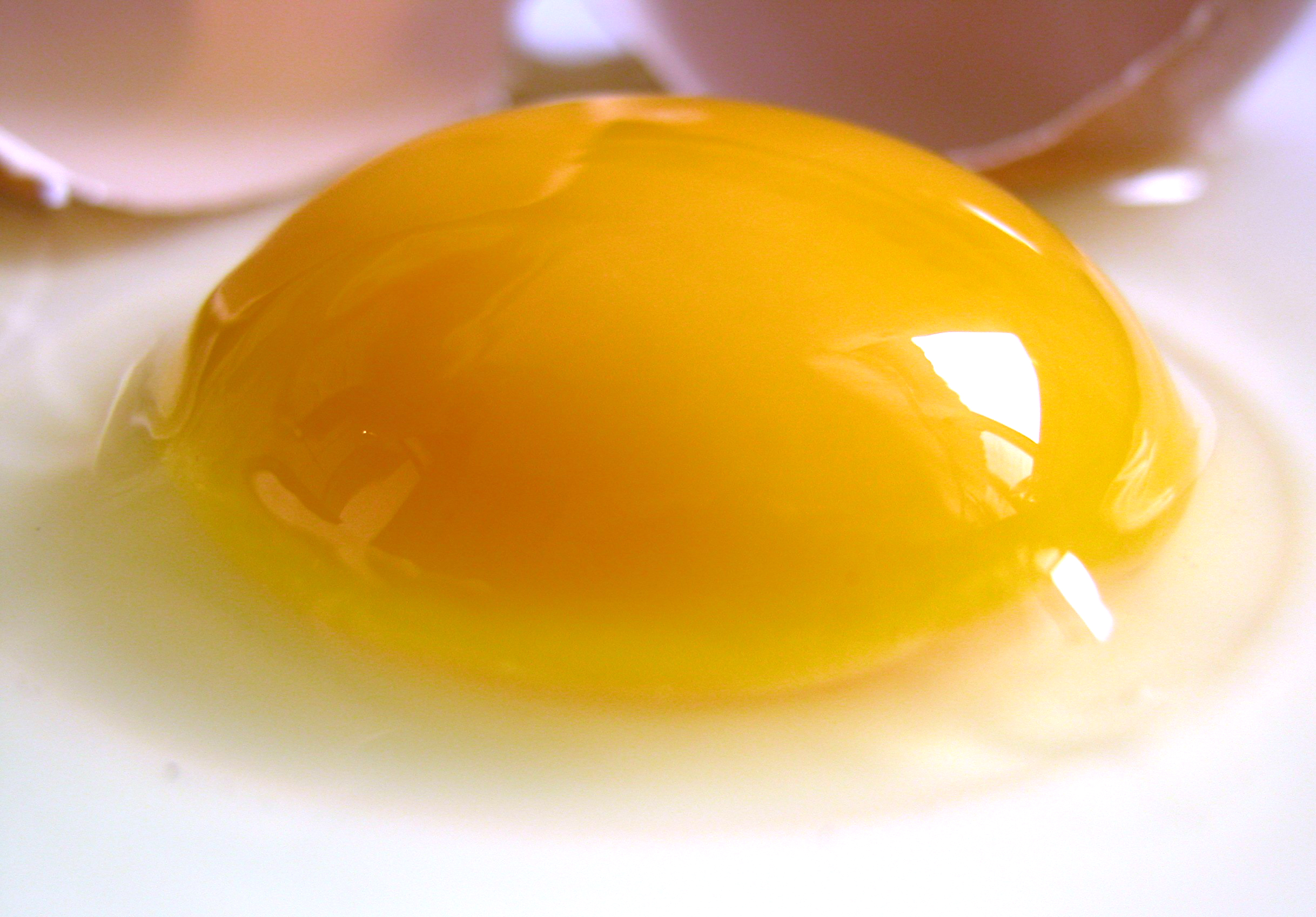
E161 refers to a group of naturally occurring yellow pigments belonging to the carotenoid family. Xanthophylls are found in a wide variety of plants, algae, and some bacteria. They are responsible for the yellow, orange, and red colors in many fruits, vegetables, and flowers. Common sources include marigolds, paprika, corn, and egg yolks. These pigments are extracted and purified for use as food colorants.

Usage

Xanthophylls are used as food color additives to impart a yellow to orange hue to various food products. They are commonly found in products such as pasta, baked goods, dairy products (cheese, butter), oils, and animal feed. They are also used in dietary supplements due to their antioxidant properties. Specific xanthophylls, such as lutein and zeaxanthin, are known for their role in eye health and are added to fortified foods and supplements for this purpose. The level of use is regulated to ensure safety and efficacy.

Side Effects

Xanthophylls are generally considered safe for consumption. No significant adverse effects have been reported at the levels typically used in food. Lutein and zeaxanthin, in particular, have been extensively studied for their health benefits and safety. However, as with any food additive, some individuals may experience allergic reactions or sensitivities, although these are rare. High doses of carotenoids, including xanthophylls, can lead to carotenodermia, a harmless yellowing of the skin, which resolves upon reducing intake. There is no established ADI (Acceptable Daily Intake) specified by EFSA or JECFA for xanthophylls as a group, reflecting their low toxicity and widespread natural occurrence in the diet.

Regulatory Status

Xanthophylls (E161) are approved for use as food additives in many countries, including the European Union and the United States. In the EU, they are subject to specific purity criteria and labeling requirements. The FDA in the United States regulates xanthophylls as color additives and specifies the conditions under which they can be safely used. Regulations vary by country, so it is important to check local regulations for specific limitations or restrictions on their use.

Sources

  • 📚 EFSA 2023
  • 📚 FDA CFR 21
  • 📚 Wikipedia
  • 📚 PubChem
Quick Facts
Type Colorant
Risk Level ✅ Safe
Vegan? ✅ Yes
Halal? ✅ Yes
🌱 Show all Vegan Additives