
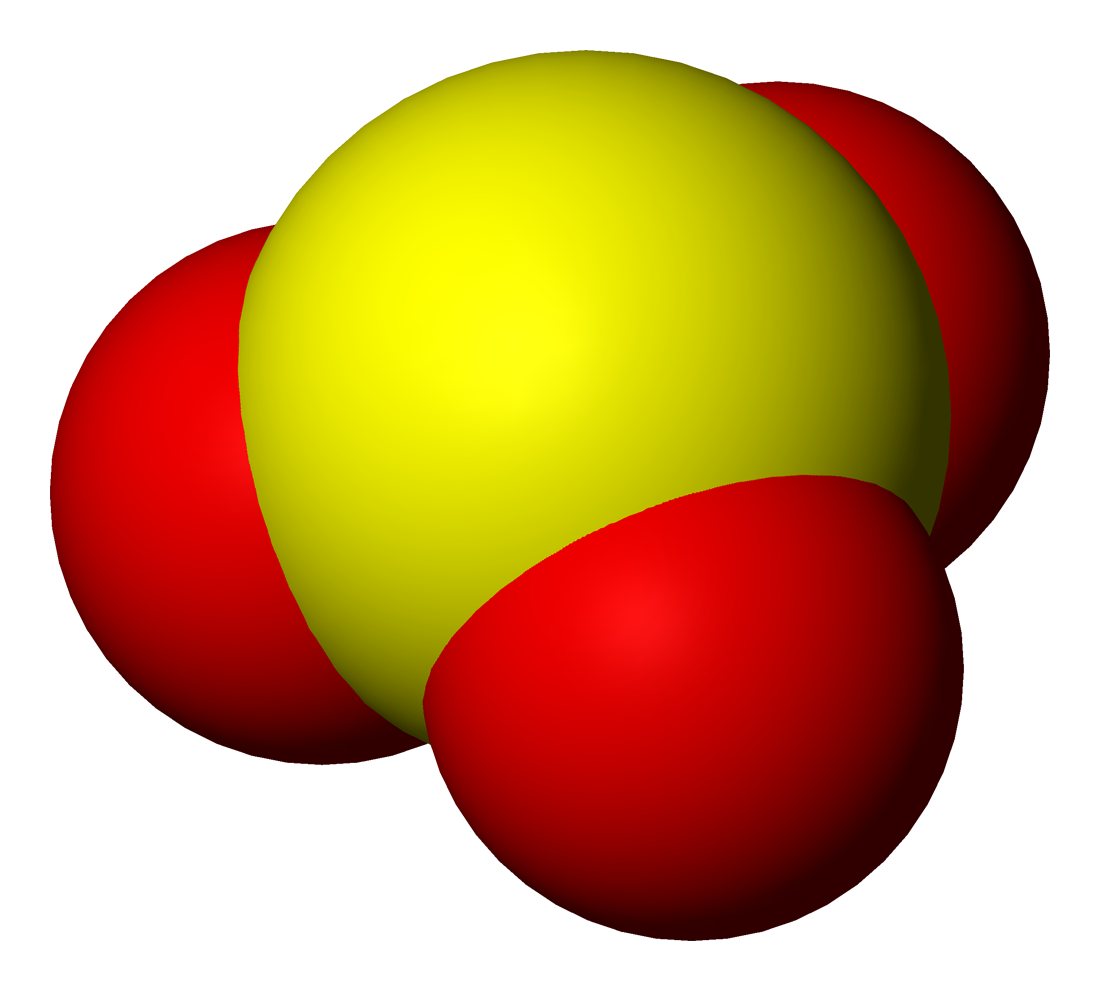
E225
E225 - Kaliumsulfit
⚠️ Risikostufe: Vorsicht • Preservative
Über diesen Zusatzstoff
Herkunft
Calciumdisulfit (E225) ist ein anorganisches Salz, das durch die Kombination von Calcium- und Sulfit-Ionen gebildet wird. Es wird hauptsächlich synthetisch hergestellt, indem Calciumverbindungen wie Calciumhydroxid oder Calciumcarbonat mit Schwefeldioxidgas in wässrigen Lösungen reagiert werden. Die resultierende Lösung wird dann verarbeitet, um das Calciumdisulfit zu isolieren. Es gehört zur Familie der Sulfit-Zusatzstoffe.Verwendung
Calciumdisulfit wird als Konservierungsmittel, hauptsächlich in der Brauindustrie, eingesetzt. Es wirkt als antimikrobielles Mittel, das das Wachstum unerwünschter Bakterien und Wildhefen hemmt, die Bier und andere fermentierte Getränke verderben können. Es wird auch verwendet, um Oxidation zu verhindern, die zu Geschmacksfehlern und Verfärbungen führen kann. Seine Verwendung ist seltener als die anderer Sulfite wie Kaliummetabisulfit oder Natriumsulfit. Die zulässigen Mengen an Calciumdisulfit sind reguliert, um die Verbrauchersicherheit zu gewährleisten. Es wird auch in einigen Prozessen zur Konservierung von Obst und Gemüse verwendet.Nebenwirkungen
Sulfite, einschließlich Calciumdisulfit, sind für einige Personen bekannte Allergene. Reaktionen können von milden Symptomen wie Nesselsucht und Juckreiz bis hin zu schweren Reaktionen wie Asthmaanfällen und Anaphylaxie reichen. Personen mit Sulfit-Empfindlichkeit sollten Produkte meiden, die E225 enthalten. Der Gemeinsame FAO/WHO-Sachverständigenausschuss für Lebensmittelzusatzstoffe (JECFA) hat eine akzeptable tägliche Aufnahmemenge (ADI) von 0-0,7 mg Gesamtsulfite pro kg Körpergewicht festgelegt. Es ist wichtig zu beachten, dass sich dieser ADI auf die Gesamtaufnahme aller Sulfite bezieht und nicht nur auf Calciumdisulfit. Daher muss der Beitrag von E225 zur gesamten Sulfitaufnahme berücksichtigt werden. Übermäßiger Sulfitkonsum kann bei empfindlichen Personen zu Magen-Darm-Beschwerden führen.Regulierungsstatus
Calciumdisulfit (E225) ist in mehreren Ländern, einschließlich der Europäischen Union, als Lebensmittelzusatzstoff zugelassen. Seine Verwendung wird von der Europäischen Behörde für Lebensmittelsicherheit (EFSA) geregelt, die maximale zulässige Mengen in verschiedenen Lebensmittelkategorien festlegt. Die FDA in den Vereinigten Staaten erkennt Calciumdisulfit im Allgemeinen nicht als GRAS (Generally Recognized As Safe – allgemein als sicher anerkannt) an. Kennzeichnungsvorschriften verlangen, dass Lebensmittel, die Sulfite in Mengen von 10 ppm oder mehr enthalten, das Vorhandensein von Sulfiten auf dem Etikett angeben müssen.Quellen
- 📚 EFSA 2016
- 📚 JECFA
- 📚 Commission Regulation (EU) No 231/2012
- 📚 Wikipedia
Kurzinfos
Typ
Preservative
Risikostufe
⚠️ Vorsicht
Vegan?
✅ Ja
Halal?
✅ Ja