
E325
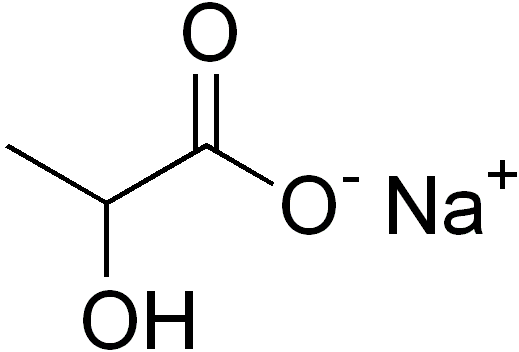
E325 - Natriumlactat
✅ Risikostufe: Sicher • Antioxidant
Über diesen Zusatzstoff
Herkunft
Natriumlactat ist das Natriumsalz der Milchsäure, das durch die Fermentation einer Zuckerquelle wie Mais oder Rüben gewonnen wird. Milchsäure selbst ist eine natürlich vorkommende organische Säure, die im Muskelgewebe gefunden und während der anaeroben Atmung produziert wird. Die kommerzielle Herstellung von Natriumlactat beinhaltet die Neutralisierung von Milchsäure mit einer Natriumquelle.Verwendung
Natriumlactat wird in der Lebensmittelindustrie häufig als Konservierungsmittel, pH-Regulator und Feuchthaltemittel eingesetzt. Als Konservierungsmittel hemmt es das Wachstum von Verderbnisbakterien und verlängert die Haltbarkeit verschiedener Lebensmittel, insbesondere von Fleisch und Geflügel. Es verbessert auch den Geschmack und die Textur von Lebensmitteln. Seine pH-regulierenden Eigenschaften helfen, die gewünschte Säure in verarbeiteten Lebensmitteln aufrechtzuerhalten. Als Feuchthaltemittel speichert es Feuchtigkeit und verhindert das Austrocknen von Produkten. Natriumlactat ist häufig in verarbeiteten Fleischprodukten, Backwaren, Süßwaren und Milchprodukten zu finden. Es wird auch in Kosmetika und Pharmazeutika wegen seiner feuchtigkeitsspendenden und puffernden Eigenschaften verwendet. Die typischen Einsatzmengen in Lebensmitteln variieren je nach Anwendung, aber es wird im Allgemeinen als sicher bei Mengen angesehen, die zur Erzielung des gewünschten Effekts erforderlich sind.Nebenwirkungen
Natriumlactat wird von Aufsichtsbehörden wie der FDA im Allgemeinen als sicher (GRAS) eingestuft, wenn es gemäß den guten Herstellungspraktiken verwendet wird. Der Gemeinsame FAO/WHO-Sachverständigenausschuss für Lebensmittelzusatzstoffe (JECFA) hat keinen numerischen Wert für die duldbare tägliche Aufnahmemenge (ADI) für Natriumlactat festgelegt, was auf seine geringe Toxizität hinweist. Personen mit natriumarmer Ernährung oder solche, die empfindlich auf Natrium reagieren, müssen jedoch möglicherweise ihre Aufnahme überwachen. In seltenen Fällen kann ein übermäßiger Verzehr von Natriumlactat zu Magen-Darm-Beschwerden führen. Personen mit Laktatazidose sollten einen übermäßigen Verzehr von Produkten, die Natriumlactat enthalten, vermeiden.Regulierungsstatus
Natriumlactat ist in vielen Ländern, einschließlich der Vereinigten Staaten, der Europäischen Union und Kanada, als Lebensmittelzusatzstoff zugelassen. In der EU ist es als E325 gekennzeichnet. Aufsichtsbehörden wie die FDA und die EFSA haben seine Sicherheit bewertet und Richtlinien für seine Verwendung in Lebensmitteln festgelegt. Es ist im Allgemeinen in Mengen erlaubt, die den guten Herstellungspraktiken entsprechen, um den beabsichtigten technischen Effekt zu erzielen.Quellen
- 📚 EFSA 2018
- 📚 FDA CFR 21
- 📚 Wikipedia
- 📚 PubChem
- 📚 JECFA
Kurzinfos
Typ
Antioxidant
Risikostufe
✅ Sicher
Vegan?
✅ Ja
Halal?
✅ Ja