
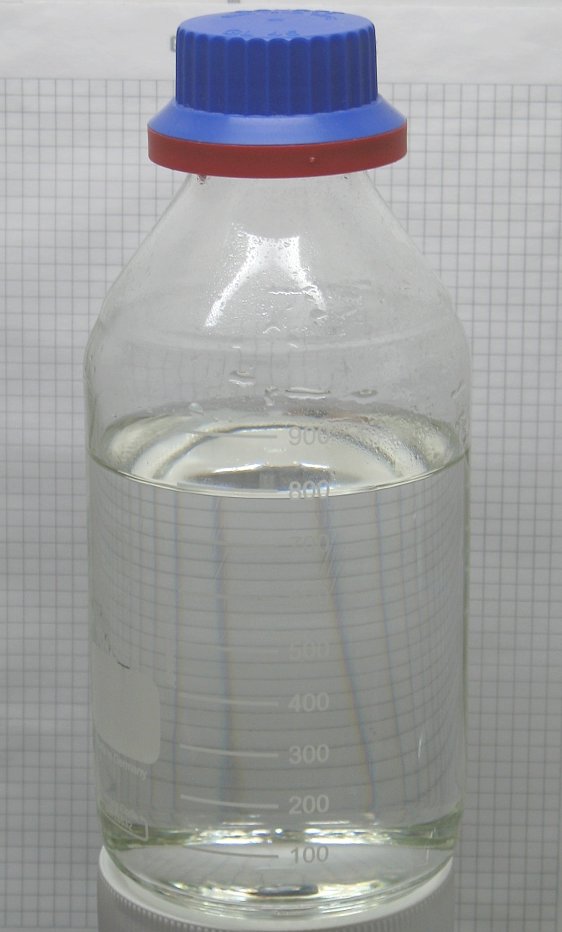
E507 - Salzsäure
✅ Risikostufe: Sicher • Acidity Regulator
Über diesen Zusatzstoff
Herkunft
Salzsäure (HCl) ist eine starke, ätzende Mineralsäure. In der Lebensmittelindustrie wird sie typischerweise synthetisch durch Auflösen von Chlorwasserstoffgas in Wasser hergestellt. Das Chlorwasserstoffgas ist oft ein Nebenprodukt industrieller chemischer Prozesse. Es ist eine natürlich vorkommende Substanz, die in der Magensäure von Säugetieren gefunden wird, wo sie die Verdauung unterstützt.
Verwendung
In der Lebensmittelverarbeitung dient Salzsäure mehreren Zwecken. Sie wird als Säureregulator eingesetzt, um den pH-Wert von Lebensmittelprodukten zu kontrollieren. Sie kann bei der Herstellung von hydrolysiertem pflanzlichem Protein (HVP), Maissirupen und verschiedenen anderen Lebensmittelzutaten verwendet werden. Sie wird auch bei der Zuckerraffination und in der Brauindustrie zur Einstellung des pH-Wertes der Maische eingesetzt. Darüber hinaus kann sie als Reinigungsmittel für Lebensmittelverarbeitungsanlagen verwendet werden. Die in Lebensmitteln verwendete Konzentration wird sorgfältig kontrolliert, um Sicherheit und Wirksamkeit zu gewährleisten.
Nebenwirkungen
Salzsäure ist eine starke Säure und kann in konzentrierter Form ätzend sein. Bei der Verwendung in der Lebensmittelverarbeitung in geeigneten Konzentrationen gilt sie jedoch im Allgemeinen als sicher. Der Gemeinsame FAO/WHO-Sachverständigenausschuss für Lebensmittelzusatzstoffe (JECFA) hat eine „nicht begrenzte“ akzeptable tägliche Aufnahmemenge (ADI) festgelegt, was bedeutet, dass sie in den in Lebensmitteln verwendeten Mengen kein Gesundheitsrisiko darstellt. Direkter Kontakt mit konzentrierter Salzsäure kann Verbrennungen und Reizungen verursachen, dies ist jedoch kein Problem, wenn sie unter kontrollierten Bedingungen als Lebensmittelzusatzstoff verwendet wird. Es sind keine signifikanten Nebenwirkungen bekannt, die mit dem Verzehr von Lebensmitteln verbunden sind, die Salzsäure in den typischerweise verwendeten Mengen enthalten.
Regulierungsstatus
Salzsäure (E507) ist in vielen Ländern, einschließlich der Europäischen Union und den Vereinigten Staaten, als Lebensmittelzusatzstoff zugelassen. Ihre Verwendung ist reguliert, um sicherzustellen, dass sie sicher und effektiv eingesetzt wird. Vorschriften legen die maximalen Mengen fest, die in verschiedenen Lebensmittelprodukten verwendet werden dürfen. In der EU ist sie als Säureregulator aufgeführt. In den USA ist sie als „Generally Recognized As Safe“ (GRAS) eingestuft, wenn sie gemäß den guten Herstellungspraktiken verwendet wird.
Quellen
- 📚 JECFA
- 📚 EFSA
- 📚 FDA CFR 21
- 📚 Wikipedia
- 📚 PubChem