
E285
E285 - Tétraborate de sodium
⚠️ Niveau de Risque: Risque Élevé • Preservative
À propos de cet additif
Origine
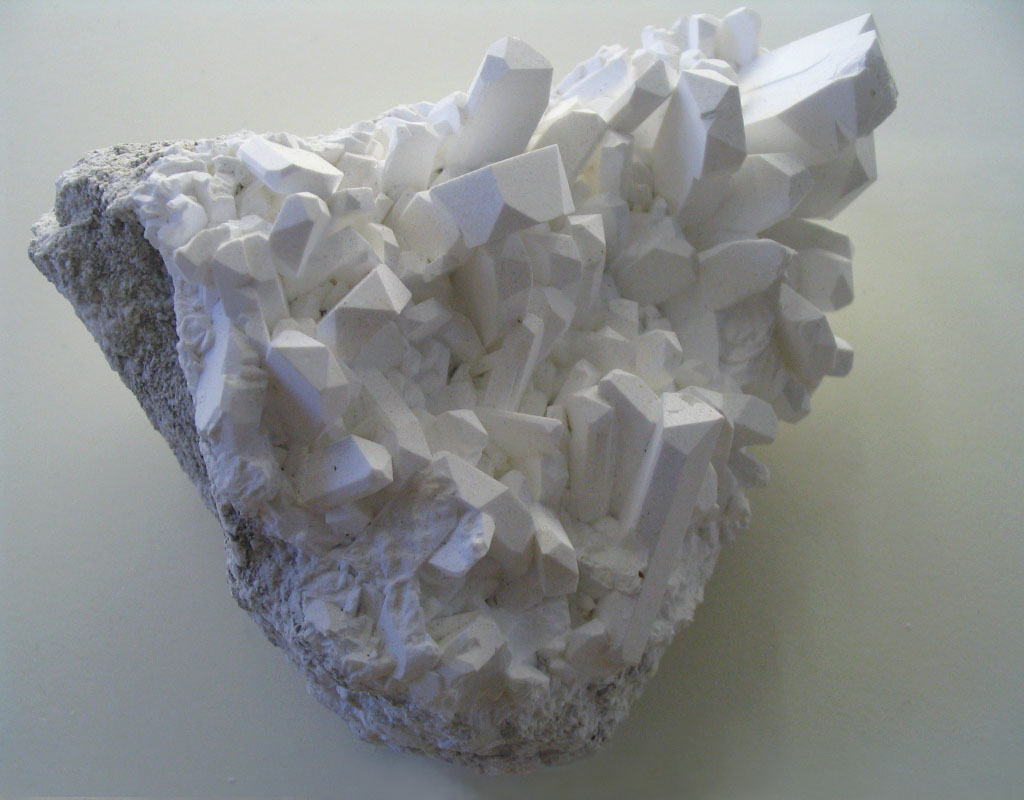
Le tétraborate de sodium, communément appelé borax, est un sel minéral naturel de l'acide borique. On le trouve généralement dans les dépôts d'évaporites produits par l'évaporation répétée de lacs saisonniers. Les principales sources comprennent le lac Searles en Californie et d'autres régions arides. Le borax est utilisé depuis des milliers d'années, avec des applications historiques dans le nettoyage, la métallurgie et comme fondant en soudure.Utilisation
Dans l'industrie alimentaire, l'utilisation du borax (E285) est extrêmement limitée et, dans de nombreux pays, interdite. Historiquement, il était utilisé comme conservateur, notamment dans le caviar, pour prévenir l'altération et maintenir la texture. Cependant, en raison de préoccupations de sécurité, son utilisation comme additif alimentaire a été largement abandonnée. Le borax a également été utilisé dans certaines méthodes traditionnelles de conservation des aliments dans certaines régions, mais cette pratique est de plus en plus découragée en raison des risques potentiels pour la santé. Ses principales applications industrielles sont dans les détergents, les cosmétiques, les glaçures émaillées et comme retardateur de flamme.Effets secondaires
La principale préoccupation concernant le borax est sa toxicité potentielle. Le bore, un composant du borax, peut interférer avec les processus reproductifs et développementaux. Des doses élevées peuvent provoquer des nausées, des vomissements, des douleurs abdominales et de la diarrhée. Une exposition chronique peut entraîner des effets plus graves, notamment des lésions rénales, une anémie et des convulsions. L'Autorité européenne de sécurité des aliments (EFSA) a établi un apport maximal tolérable (AMT) pour le bore provenant de toutes les sources, y compris les aliments et l'eau. En raison de ces risques potentiels pour la santé, l'utilisation du borax comme additif alimentaire est fortement réglementée ou interdite dans de nombreux pays.Statut réglementaire
L'utilisation du borax (E285) comme additif alimentaire est soit interdite, soit sévèrement restreinte dans de nombreux pays, y compris l'Union européenne, les États-Unis et le Canada. L'Union européenne interdit son utilisation comme additif alimentaire. La FDA des États-Unis n'autorise pas son utilisation comme additif alimentaire direct. D'autres pays ont des réglementations similaires en place pour protéger la santé publique. Le Comité mixte FAO/OMS d'experts des additifs alimentaires (JECFA) a évalué le borax et a établi une Dose Journalière Admissible (DJA) temporaire qui a depuis été retirée en raison de préoccupations de sécurité.Sources
- 📚 EFSA 2004
- 📚 FDA CFR 21
- 📚 Wikipedia
- 📚 PubChem
- 📚 JECFA
Informations Rapides
Type
Preservative
Niveau de Risque
⚠️ Risque Élevé
Végane?
✅ Oui
Halal?
✅ Oui