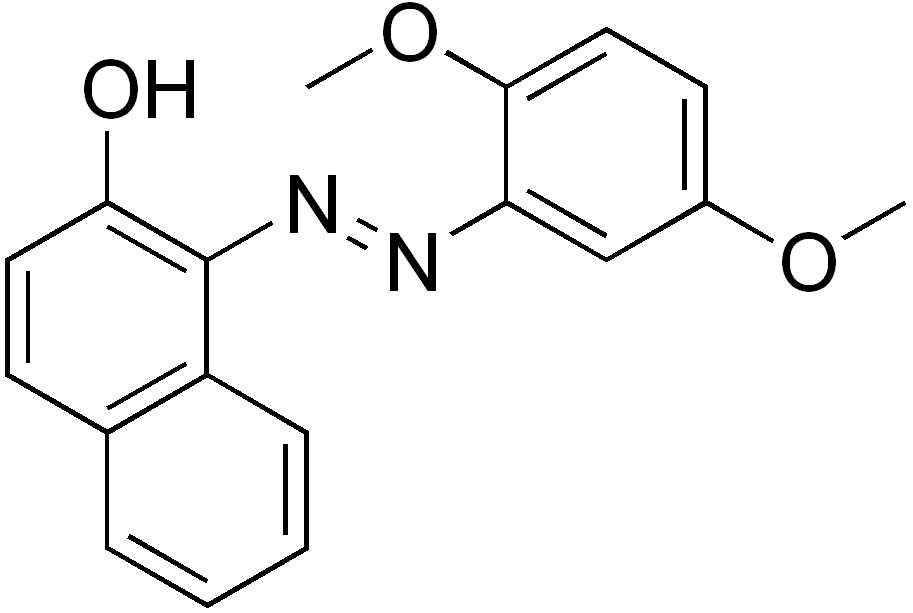
E121 - Citrus Red 2
⚠️ Risk Level: High Risk • Colorant
About this additive
Origin
Citrus Red 2 is a synthetic azo dye. It is produced by diazotization of 5-nitro-o-anisidine and coupling with β-naphthol. It's an artificial colorant.
Usage
Citrus Red 2 is used exclusively to color the skins of oranges that are not ripe enough to achieve an acceptable color naturally. Specifically, it is applied to the skins of oranges grown in Florida. The FDA regulations specify that it can only be used on oranges that are destined for processing (e.g., juice, marmalade). The amount of Citrus Red 2 added to oranges must not exceed 2 ppm by weight of the whole fruit. Its use is highly restricted due to safety concerns.
Side Effects
Citrus Red 2 has been shown to be carcinogenic in animal studies. Specifically, it has been linked to bladder cancer and other tumors in rodents. Due to these concerns, its use is heavily regulated and banned in many countries. The Joint FAO/WHO Expert Committee on Food Additives (JECFA) established a temporary ADI (Acceptable Daily Intake) of 0-0.0125 mg/kg bw, but this was later withdrawn due to concerns about carcinogenicity. There is no current ADI established.
Regulatory Status
The use of Citrus Red 2 is banned in the European Union, Australia and many other countries due to its potential carcinogenic effects. In the United States, its use is permitted only under very specific conditions for coloring orange skins, and it is subject to strict regulations by the FDA. The FDA requires that oranges treated with Citrus Red 2 bear a label stating that the color has been added and that the oranges are not intended for fresh consumption.
Sources
- 📚 FDA CFR 21
- 📚 PubChem
- 📚 IARC Monographs