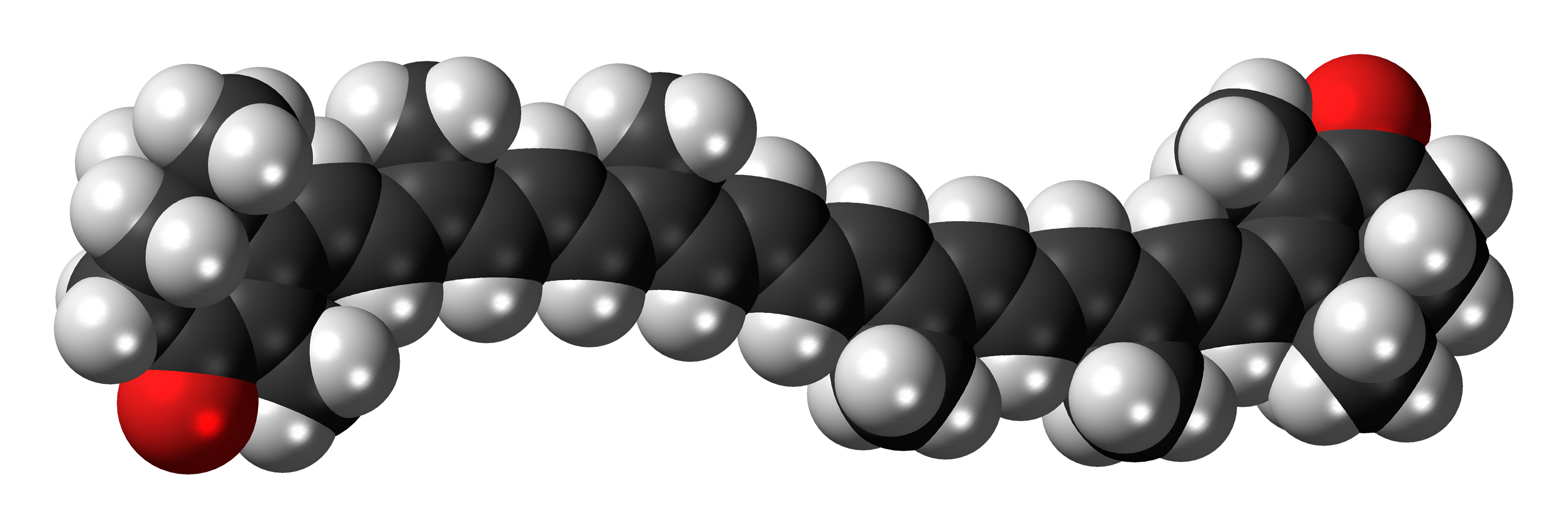
E161G - E161g - Canthaxanthin
E161G

E161g - Canthaxanthin

⚠️ Risk Level: Caution Additive

About this additive

Origin

Canthaxanthin is a naturally occurring carotenoid pigment found in various organisms, including algae, bacteria, crustaceans, and certain fungi. It can also be produced synthetically. The commercial production of canthaxanthin often involves chemical synthesis.

Usage

Canthaxanthin is primarily used as a food coloring agent to impart a reddish-orange hue. It is added to foods such as salmon feed (to enhance the pink color of farmed salmon), poultry feed (to deepen the yellow color of egg yolks and chicken skin), and various processed foods like sausages, baked goods, and beverages. In the past, it was also used as a tanning agent, but this use has largely been discontinued due to safety concerns. The typical usage levels in food are carefully regulated to ensure consumer safety. It is also used in some pharmaceutical applications.

Side Effects

While generally considered safe at approved levels, excessive intake of canthaxanthin can lead to canthaxanthin retinopathy, a condition characterized by the deposition of crystals in the retina of the eye. This can cause visual disturbances, although the condition is usually reversible upon cessation of canthaxanthin intake. Due to these potential side effects, the use of canthaxanthin as a tanning agent has been largely abandoned. Regulatory bodies have established acceptable daily intake (ADI) levels to minimize the risk of adverse effects. The ADI established by the Joint FAO/WHO Expert Committee on Food Additives (JECFA) is 0-0.03 mg/kg body weight.

Regulatory Status

Canthaxanthin is approved for use as a food additive in many countries, including the United States, the European Union, and Canada. However, its use is subject to specific regulations and limitations regarding the types of food it can be added to and the maximum permitted levels. In the EU, it is designated as E161g. Regulatory bodies such as the European Food Safety Authority (EFSA) and the Food and Drug Administration (FDA) have evaluated the safety of canthaxanthin and established acceptable intake levels. These regulations are in place to ensure that consumer exposure to canthaxanthin remains within safe limits.

Sources

  • 📚 EFSA 2010
  • 📚 FDA CFR 21
  • 📚 JECFA
  • 📚 Wikipedia
  • 📚 PubChem
Quick Facts
Type Additive
Risk Level ⚠️ Caution
Vegan? ✅ Yes
Halal? ✅ Yes
🌱 Show all Vegan Additives