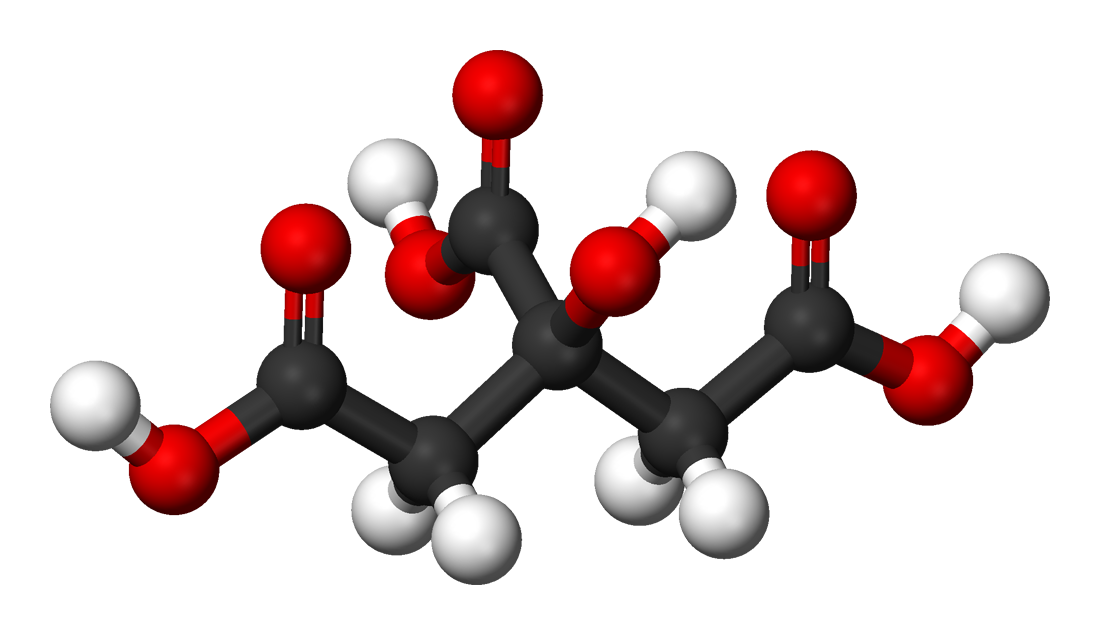
E333I - E333i - Monocalcium citrate
E333I

E333i - Monocalcium citrate

✅ Risk Level: Safe Additive

About this additive

Origin

Monocalcium citrate is a calcium salt of citric acid. It is produced by partially neutralizing citric acid with a calcium source, typically calcium hydroxide or calcium carbonate. The resulting solution is then processed to isolate the monocalcium citrate, often through crystallization and drying. It is a white, odorless, crystalline powder.

Usage

Monocalcium citrate is used in the food industry as an acidity regulator, sequestrant, and firming agent. It can be found in various food products, including processed fruits and vegetables, dairy products, and beverages. It helps to maintain the pH of food, preventing spoilage and preserving color and texture. As a sequestrant, it binds to metal ions, preventing them from reacting with other components in the food and causing undesirable changes. It is also used as a calcium supplement in some fortified foods and dietary supplements. In the pharmaceutical industry, it can be used as a buffering agent and a source of calcium.

Side Effects

Monocalcium citrate is generally recognized as safe (GRAS) by regulatory agencies when used in accordance with good manufacturing practices. There is no established Acceptable Daily Intake (ADI) for citrates as they are naturally occurring substances in the body. However, excessive consumption of calcium salts, including monocalcium citrate, may lead to gastrointestinal discomfort, such as bloating, gas, or diarrhea, in sensitive individuals. High doses of calcium can also interfere with the absorption of other minerals, such as iron and zinc. Individuals with kidney problems should exercise caution when consuming large amounts of calcium, as it may increase the risk of kidney stones.

Regulatory Status

Monocalcium citrate is approved for use as a food additive in many countries, including the United States, the European Union, and Canada. In the EU, it is designated with the E number E333i. The FDA considers it GRAS (Generally Recognized As Safe) when used according to good manufacturing practices. Its use is regulated by specific food additive regulations that define the permitted levels in different food categories.

Sources

  • 📚 EFSA FEEDAP Panel 2014
  • 📚 FDA CFR 21
  • 📚 Wikipedia
  • 📚 PubChem
Quick Facts
Type Additive
Risk Level ✅ Safe
Vegan? ✅ Yes
Halal? ❓ Maybe
🌱 Show all Vegan Additives