E339III
E339iii - Trisodium phosphate
✅ Risk Level: Safe • Additive
About this additive
Origin
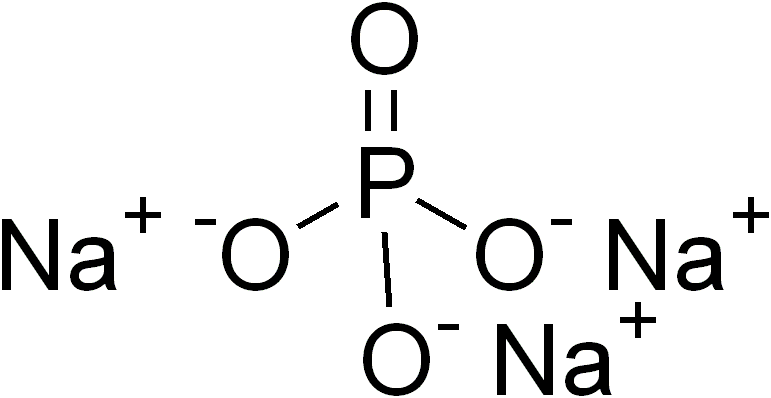
Trisodium phosphate (TSP) is an inorganic salt formed by neutralizing phosphoric acid with sodium hydroxide or sodium carbonate. It is a highly water-soluble crystalline solid. Industrially, it is produced on a large scale for various applications.Usage
In food, trisodium phosphate functions as an acidity regulator, emulsifier, sequestrant, and humectant. It is used to control pH, prevent coagulation of proteins, and improve the texture of processed foods. Specific applications include: * **Processed Cheeses:** Acts as an emulsifier to create a smooth, consistent texture. * **Baked Goods:** Functions as a leavening agent and pH regulator. * **Meat Products:** Improves water-holding capacity and texture. * **Seafood:** Used to retain moisture and prevent discoloration. * **Buffering Agent:** Maintains a stable pH in various food products. It is also used in cleaning products, detergents, and water softening due to its alkaline nature and ability to sequester minerals.Side Effects
Trisodium phosphate is generally recognized as safe (GRAS) by regulatory bodies when used in accordance with good manufacturing practices. However, excessive consumption can lead to adverse effects: * **Phosphate Imbalance:** High intake can disrupt the balance of phosphate in the body, potentially affecting calcium levels and bone health. * **Gastrointestinal Issues:** May cause diarrhea, nausea, or stomach cramps in sensitive individuals. * **Kidney Problems:** Excessive phosphate intake can strain the kidneys, particularly in individuals with pre-existing kidney conditions. The Joint FAO/WHO Expert Committee on Food Additives (JECFA) has not established a numerical Acceptable Daily Intake (ADI) "not specified" for phosphates as a group, meaning that, based on available data, the levels of use considered necessary to achieve the desired technological effect do not represent a hazard to health.Regulatory Status
Trisodium phosphate (E339iii) is approved for use as a food additive in many countries, including the United States, the European Union, and Canada. Regulations specify the maximum permitted levels in various food categories to ensure safety.Sources
- 📚 EFSA 2023
- 📚 FDA CFR 21
- 📚 Wikipedia
- 📚 PubChem
- 📚 JECFA
Quick Facts
Type
Additive
Risk Level
✅ Safe
Vegan?
✅ Yes
Halal?
❓ Maybe