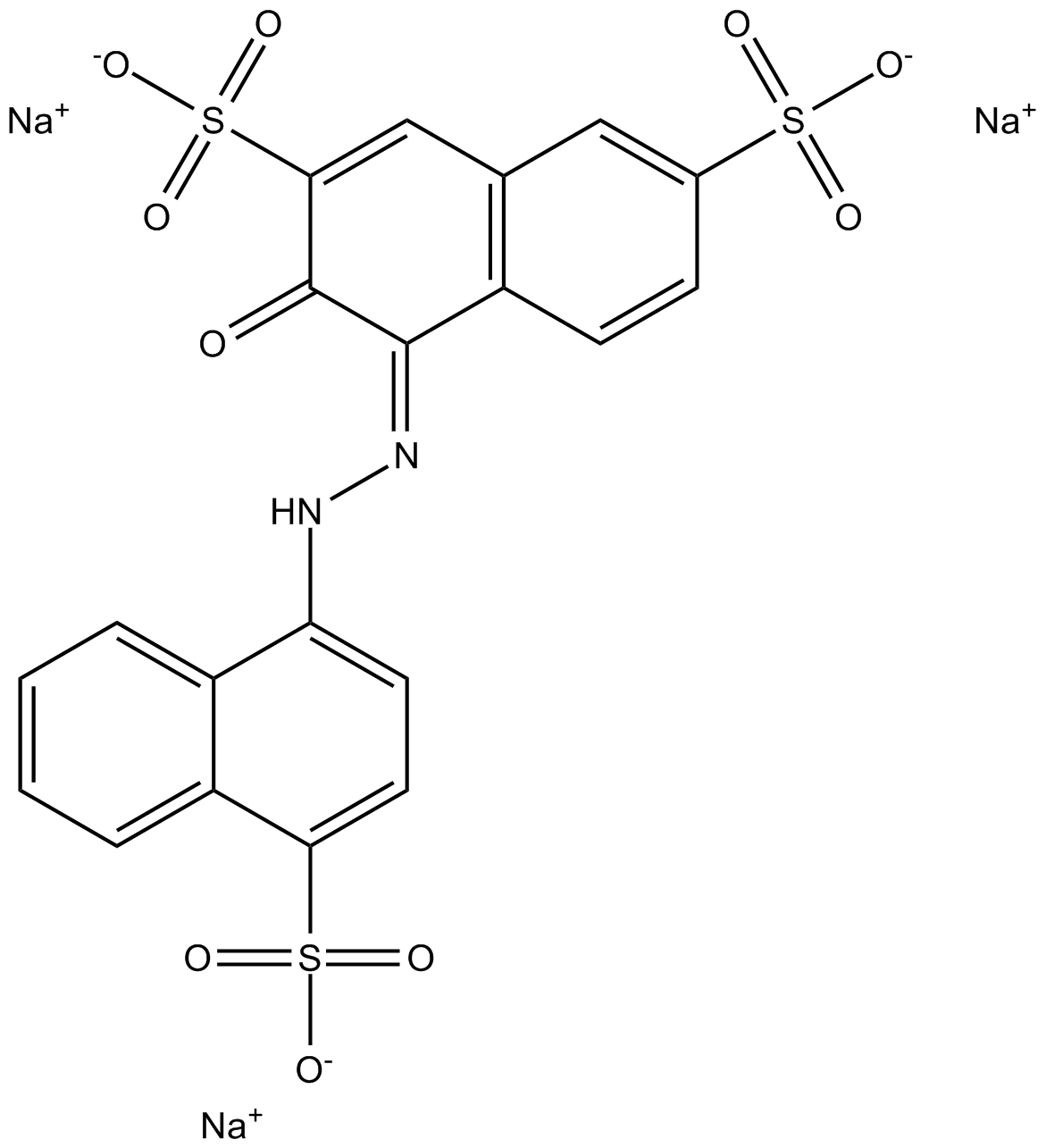
E123
E123 - Amaranth
⚠️ Risk Level: Caution • Colorant
About this additive
Origin
Amaranth (E123) is a synthetic azo dye. It is a dark red to purple powder or granules. It is derived from coal tar. It is an anionic dye that can be applied to natural and synthetic fibers, leather, paper, and resins. It is also used as a food coloring.Usage
Amaranth is used as a food coloring to impart a red-purple hue. It is commonly found in products such as jams, jellies, soft drinks, desserts, and cake mixes. It is also used in some cosmetics and pharmaceuticals. The acceptable daily intake (ADI) set by the World Health Organization (WHO) is 0-0.5 mg/kg body weight.Side Effects
While generally considered safe within the established ADI, Amaranth has been subject to some controversy. Some studies have suggested a possible link to hyperactivity in children, although the evidence is not conclusive. Some individuals may experience allergic reactions. Regulatory bodies like the EFSA and FDA have reviewed the available data and consider it safe for use in food when used within permitted levels. However, some countries have restricted or banned its use. It is important to note that individual sensitivities can vary, and some people may experience adverse reactions even at low doses.Regulatory Status
Amaranth is approved for use as a food additive in many countries, including the European Union and Australia. However, it is banned in the United States by the Food and Drug Administration (FDA) since 1976 due to concerns raised by studies linking it to tumors in rats. The European Food Safety Authority (EFSA) has re-evaluated Amaranth and considers it safe for use in food at the permitted levels.Sources
- 📚 EFSA 2011
- 📚 WHO 1974
- 📚 Wikipedia
- 📚 PubChem
- 📚 FDA (banned)
Quick Facts
Type
Colorant
Risk Level
⚠️ Caution
Vegan?
✅ Yes
Halal?
✅ Yes