
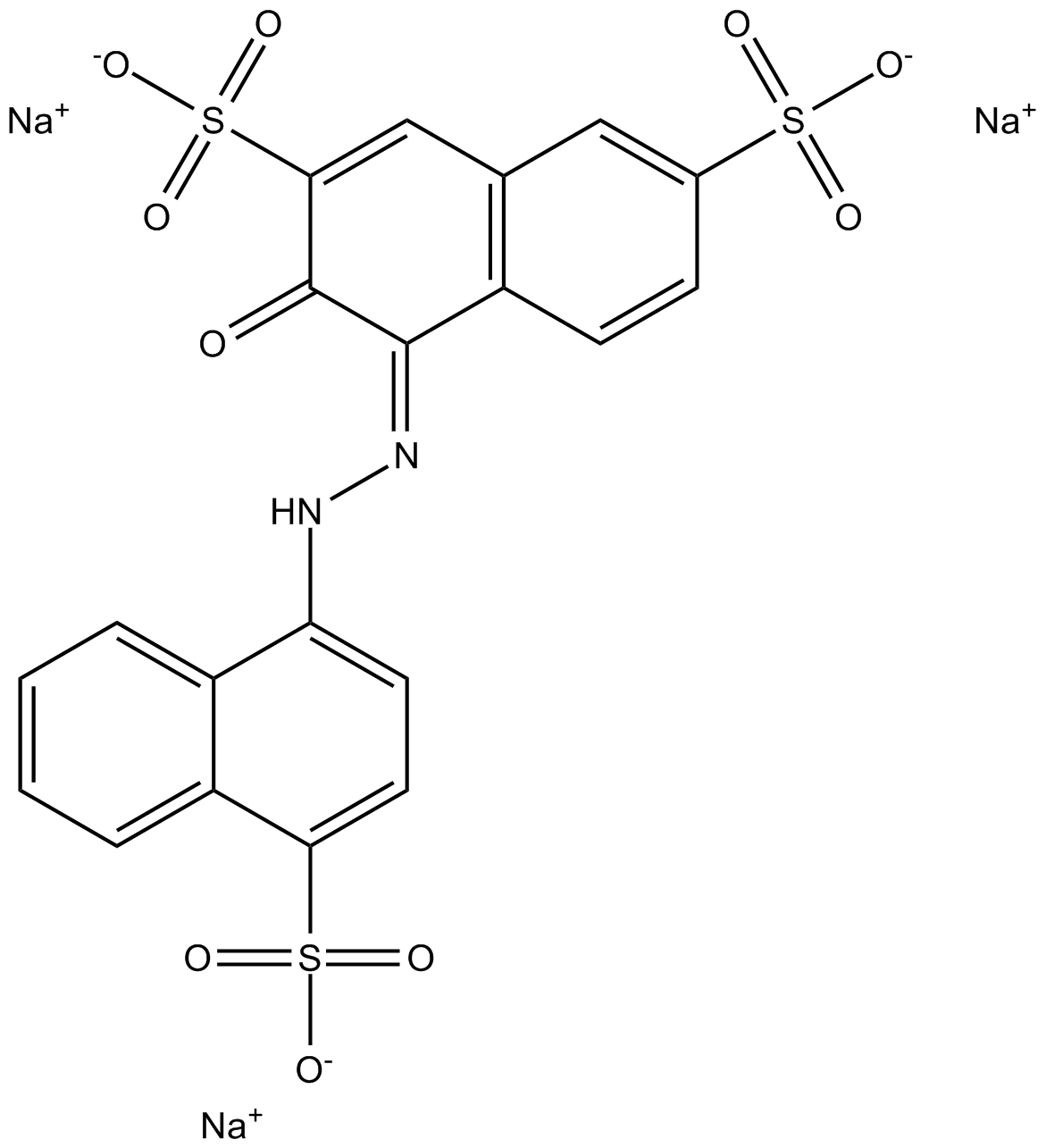
E123
E123 - Amaranth
⚠️ Risikostufe: Vorsicht • Colorant
Über diesen Zusatzstoff
Ursprung
Amaranth (E123) ist ein synthetischer Azofarbstoff. Es handelt sich um ein dunkelrotes bis violettes Pulver oder Granulat. Es wird aus Kohlenteer gewonnen. Es ist ein anionischer Farbstoff, der auf natürliche und synthetische Fasern, Leder, Papier und Harze aufgetragen werden kann. Es wird auch als Lebensmittelfarbstoff verwendet.Verwendung
Amaranth wird als Lebensmittelfarbstoff verwendet, um einen rot-violetten Farbton zu verleihen. Es ist häufig in Produkten wie Konfitüren, Gelees, Erfrischungsgetränken, Desserts und Kuchenmischungen enthalten. Es wird auch in einigen Kosmetika und Pharmazeutika verwendet. Die von der Weltgesundheitsorganisation (WHO) festgelegte zulässige tägliche Aufnahmemenge (ADI) beträgt 0-0,5 mg/kg Körpergewicht.Nebenwirkungen
Obwohl Amaranth im Allgemeinen innerhalb der festgelegten ADI als sicher gilt, war es Gegenstand einiger Kontroversen. Einige Studien haben einen möglichen Zusammenhang mit Hyperaktivität bei Kindern nahegelegt, obwohl die Beweise nicht schlüssig sind. Einige Personen können allergische Reaktionen erfahren. Aufsichtsbehörden wie die EFSA und die FDA haben die verfügbaren Daten geprüft und halten die Verwendung in Lebensmitteln innerhalb der zulässigen Grenzen für sicher. Einige Länder haben seine Verwendung jedoch eingeschränkt oder verboten. Es ist wichtig zu beachten, dass die individuelle Empfindlichkeit variieren kann und manche Menschen auch bei niedrigen Dosen unerwünschte Reaktionen erfahren können.Regulierungsstatus
Amaranth ist in vielen Ländern, darunter der Europäischen Union und Australien, als Lebensmittelzusatzstoff zugelassen. In den Vereinigten Staaten ist es jedoch seit 1976 von der Food and Drug Administration (FDA) verboten, da Studien Bedenken hinsichtlich eines Zusammenhangs mit Tumoren bei Ratten aufkommen ließen. Die Europäische Behörde für Lebensmittelsicherheit (EFSA) hat Amaranth neu bewertet und hält die Verwendung in Lebensmitteln in den zulässigen Mengen für sicher.Quellen
- 📚 EFSA 2011
- 📚 WHO 1974
- 📚 Wikipedia
- 📚 PubChem
- 📚 FDA (banned)
Kurzinfos
Typ
Colorant
Risikostufe
⚠️ Vorsicht
Vegan?
✅ Ja
Halal?
✅ Ja