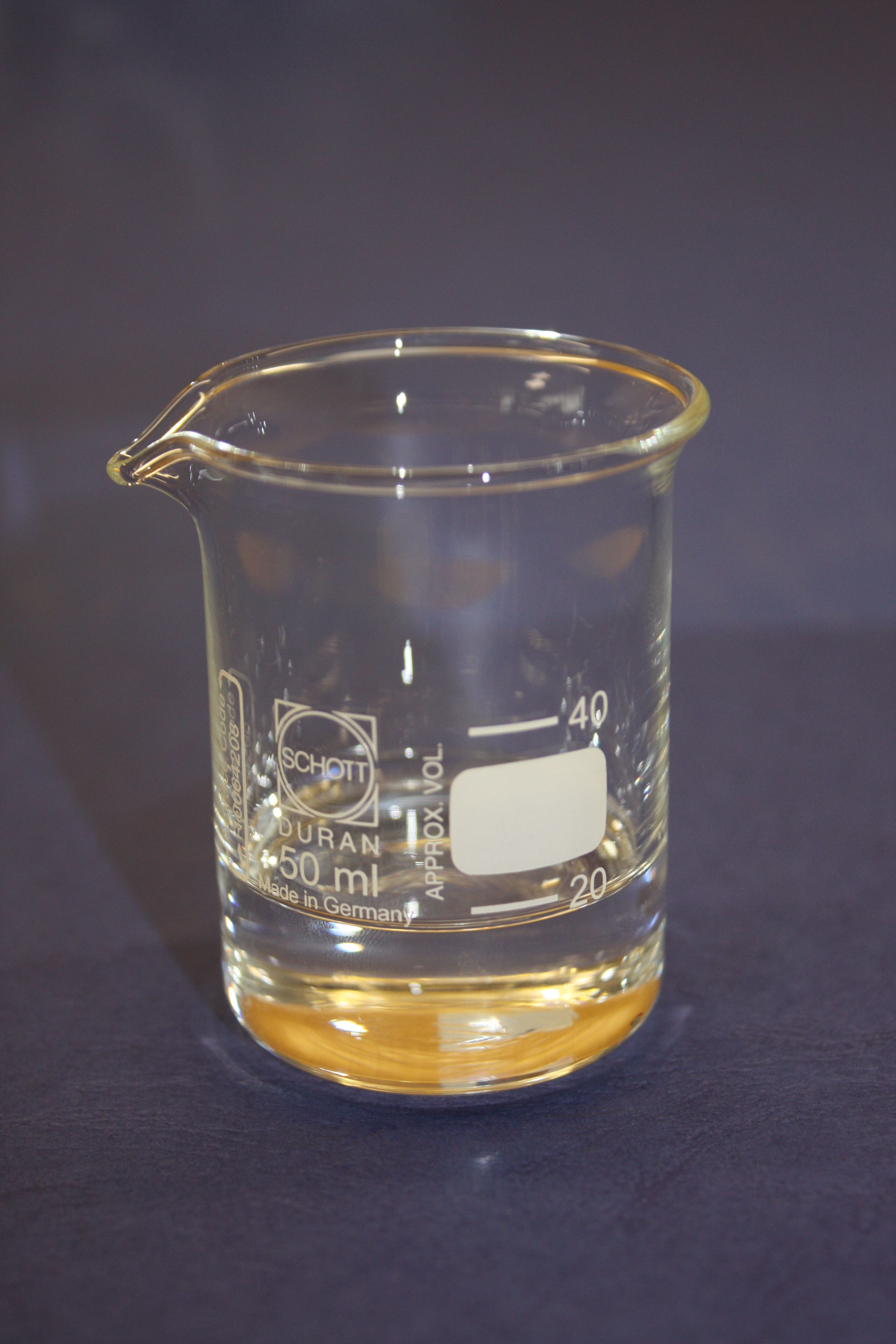
E1521 - E1521 - Polyethylene glycol
E1521

E1521 - Polyethylene glycol

✅ Risk Level: Safe Modified Starch

About this additive

Origin

Polyethylene glycol (PEG), also known as macrogol, is a synthetic polyether compound derived from petroleum. It is produced by the polymerization of ethylene oxide. Different molecular weights of PEG are available, indicated by a number following the name (e.g., PEG 400, PEG 3350). These numbers represent the approximate average molecular weight.

Usage

In food, PEG functions as a carrier, binder, coating agent, dispersing agent, flavoring adjuvant, and plasticizing agent. It is used in a variety of applications, including: * **Tablets and Capsules:** As a binder and coating to improve the stability and appearance of pharmaceutical tablets and capsules. * **Beverages:** As a defoamer and stabilizer in some beverages. * **Confectionery:** As a plasticizer in chewing gum and other confectionery products. * **Food Packaging:** As a component of some food packaging materials. PEG's water solubility, non-toxicity, and lack of immunogenicity make it suitable for diverse applications. It is also used in cosmetics, pharmaceuticals, and industrial processes.

Side Effects

PEG is generally considered safe for consumption in the amounts typically used in food. The Joint FAO/WHO Expert Committee on Food Additives (JECFA) has established an Acceptable Daily Intake (ADI) of "not specified," meaning that, based on available data, the intake of PEG from food is not considered to pose a health risk. However, some individuals may experience allergic reactions to PEG, although these are rare. High doses of PEG, particularly in pharmaceutical formulations, can cause gastrointestinal side effects such as diarrhea and nausea. There is some concern regarding the presence of ethylene oxide and 1,4-dioxane as impurities in PEG, both of which are potential carcinogens. However, regulatory limits are in place to minimize these impurities.

Regulatory Status

PEG is approved for use as a food additive in many countries, including the United States, Canada, and the European Union. Regulations specify the types of food in which PEG can be used and the maximum permitted levels. In the EU, PEG is regulated under Regulation (EC) No 1333/2008 on food additives. The FDA in the United States regulates PEG under various sections of Title 21 of the Code of Federal Regulations (CFR), depending on the specific application.

Sources

  • 📚 EFSA 2023
  • 📚 FDA CFR 21
  • 📚 Wikipedia
  • 📚 JECFA
Quick Facts
Type Modified Starch
Risk Level ✅ Safe
Vegan? ✅ Yes
Halal? ✅ Yes
🌱 Show all Vegan Additives