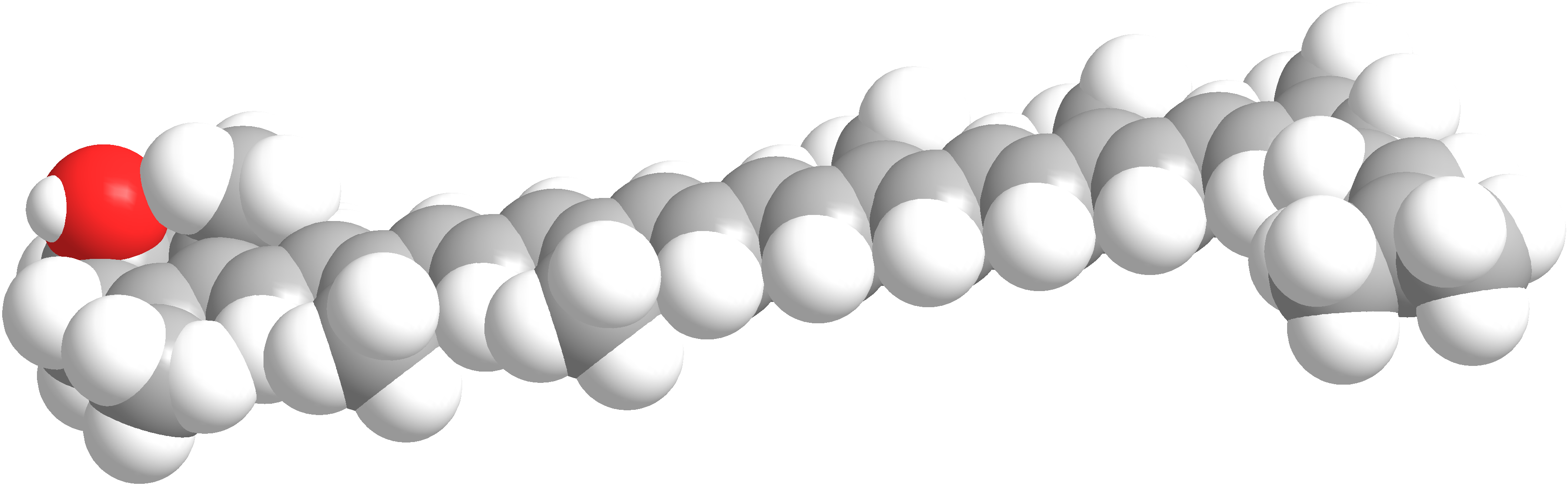
E161D - E161d - Rubixanthin
E161D

E161d - Rubixanthin

✅ Risk Level: Safe Additive

About this additive

Origin

Rubixanthin is a naturally occurring carotenoid pigment, specifically a xanthophyll. It is found in various fruits and plants, notably rose hips (Rosa species), paprika, and some algae. It can be extracted from these natural sources or produced synthetically, although natural extraction is more common for food applications.

Usage

As a food additive, rubixanthin is primarily used as a coloring agent. It imparts a reddish-orange hue to food products. It is used in a range of food applications, including fruit preparations, confectionery, baked goods, and beverages. The color is relatively stable under normal food processing conditions, although it can be affected by light and oxidation. The acceptable daily intake (ADI) has not been explicitly defined by major regulatory bodies like EFSA or JECFA, suggesting a low level of concern regarding its toxicity at levels typically used in food.

Side Effects

Rubixanthin is generally considered safe for consumption at levels used in food. There are no significant or well-documented side effects associated with its use as a food coloring. Carotenoids, in general, are known for their antioxidant properties, and rubixanthin may contribute to this effect. However, excessive consumption of carotenoids can lead to carotenodermia, a harmless yellowing of the skin, which is reversible upon reducing intake. Allergic reactions are rare but possible, as with any food additive.

Regulatory Status

Rubixanthin (E161d) is permitted for use as a food coloring in the European Union under specific conditions and maximum usage levels defined in Annex II of Regulation (EC) No 1333/2008. The specific regulations vary depending on the food category. The FDA does not have a specific regulation for rubixanthin as a direct food additive, but it may be used under the general provisions for color additives if it meets the required specifications and safety standards. JECFA (Joint FAO/WHO Expert Committee on Food Additives) has not established a numerical ADI but has indicated that its use in food is not a safety concern at current levels.

Sources

  • 📚 EFSA 2008
  • 📚 Regulation (EC) No 1333/2008
  • 📚 Wikipedia
  • 📚 PubChem
Quick Facts
Type Additive
Risk Level ✅ Safe
Vegan? ✅ Yes
Halal? ✅ Yes
🌱 Show all Vegan Additives