
E555
E555 - Kaliumaluminiumsilicat
✅ Risikostufe: Sicher • Acidity Regulator
Über diesen Zusatzstoff
Herkunft
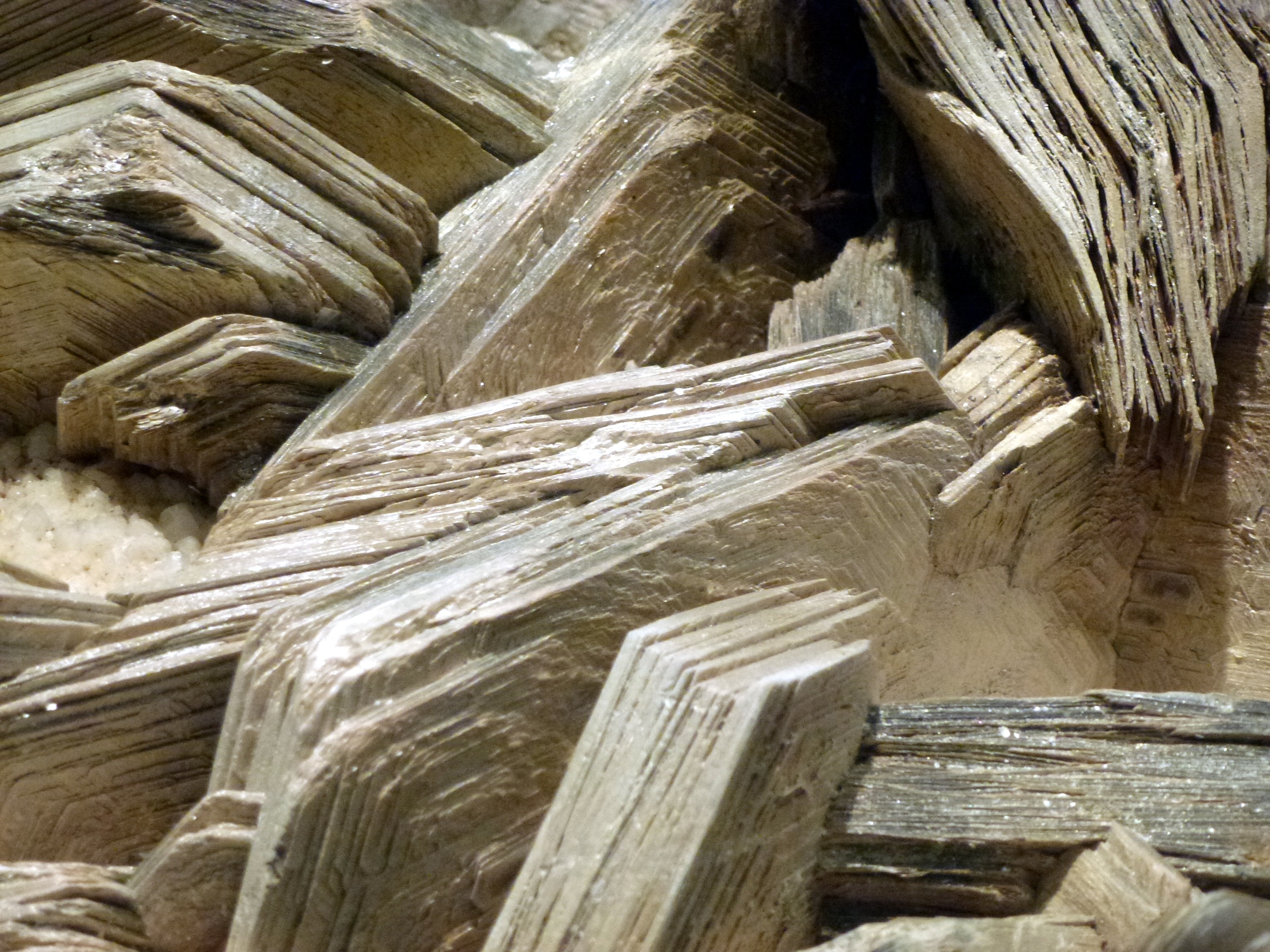
Kaliumaluminiumsilikat, auch bekannt als Kaliumaluminosilikat oder Glimmer, ist ein natürlich vorkommendes Mineral. Es wird aus Silikatmineralien gewonnen und verarbeitet, um die gewünschte Partikelgröße und Reinheit für die Verwendung als Lebensmittelzusatzstoff zu erreichen. Es ist ein Schichtsilikatmineral, was bedeutet, dass es eine geschichtete Struktur hat. Der spezifische Glimmertyp, der in Lebensmittelanwendungen verwendet wird, ist typischerweise Muskovit oder Phlogopit.Verwendung
In der Lebensmittelindustrie wird E555 hauptsächlich als Trennmittel und Farbstoff verwendet. Als Trennmittel verhindert es, dass pulverförmige oder granulierte Lebensmittel verklumpen, und sorgt so für freifließende Eigenschaften. Es ist häufig in Milchpulver, Gewürzen und Speisesalz zu finden. Als Farbstoff sorgt es für einen perlmuttartigen oder schimmernden Effekt, der die optische Attraktivität bestimmter Lebensmittelprodukte wie Süßwaren, Glasuren und Dekorüberzüge verbessert. Es wird auch in Kosmetika und Pharmazeutika für ähnliche Zwecke verwendet.Nebenwirkungen
Kaliumaluminiumsilikat gilt im Allgemeinen als sicher für den Verzehr in den üblicherweise in Lebensmitteln verwendeten Mengen. Der Gemeinsame FAO/WHO-Sachverständigenausschuss für Lebensmittelzusatzstoffe (JECFA) hat Kaliumaluminiumsilikat bewertet und eine akzeptable Tagesdosis (ADI) von 'nicht spezifiziert' festgelegt, was bedeutet, dass der Zusatzstoff auf der Grundlage der verfügbaren Daten bei den Mengen, die zur Erfüllung seiner beabsichtigten Funktion in Lebensmitteln erforderlich sind, keine Gesundheitsgefahr darstellt. Ein übermäßiger Verzehr jeglicher Mineralsubstanz könnte jedoch potenziell zu unerwünschten Wirkungen führen, obwohl dies bei E555 aufgrund seiner geringen Konzentration in Lebensmitteln unwahrscheinlich ist. Einige Personen können leichte Magen-Darm-Beschwerden erfahren, dies ist jedoch selten. Es sind keine signifikanten allergischen Reaktionen im Zusammenhang mit Kaliumaluminiumsilikat bekannt.Regulierungsstatus
Kaliumaluminiumsilikat (E555) ist in vielen Ländern, einschließlich der Europäischen Union und den Vereinigten Staaten, als Lebensmittelzusatzstoff zugelassen. In der EU ist es in Anhang II der Verordnung (EG) Nr. 1333/2008 über Lebensmittelzusatzstoffe aufgeführt. In den Vereinigten Staaten wird es im Allgemeinen als sicher (GRAS) anerkannt, wenn es in Übereinstimmung mit guten Herstellungspraktiken verwendet wird.Quellen
- 📚 EFSA 2023
- 📚 FDA CFR 21
- 📚 Wikipedia
- 📚 JECFA
Kurzinfos
Typ
Acidity Regulator
Risikostufe
✅ Sicher
Vegan?
✅ Ja
Halal?
✅ Ja