
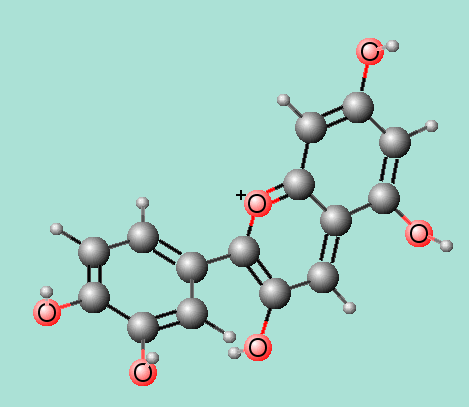
E163A
E163a - Cyanidin
✅ Risk Level: Safe • Additive
About this additive
Origin
Cyanidin is a naturally occurring anthocyanidin, a type of plant pigment belonging to the flavonoid group. It is found in many red, purple, and blue fruits, vegetables, and flowers. The name 'cyanidin' comes from the Greek word 'kyanos', meaning dark blue. It is typically extracted from sources such as red cabbage, black beans, elderberries, and cranberries.Usage
As a food additive, cyanidin (E163a) is primarily used as a natural food coloring. It imparts a red to purple hue, depending on the pH of the food product. Cyanidin is used in a variety of food and beverage applications, including fruit juices, jams, jellies, confectionery, and processed fruits and vegetables. Beyond its coloring properties, cyanidin and other anthocyanins are of interest for their potential antioxidant and health-promoting effects. However, these effects are still under investigation, and the primary use remains as a colorant.Side Effects
Cyanidin is generally considered safe for consumption at levels typically used in food. The Joint FAO/WHO Expert Committee on Food Additives (JECFA) has established an Acceptable Daily Intake (ADI) of "not specified" for anthocyanins, including cyanidin, meaning that at the levels used to achieve the desired technological effect in food, there is no health concern. Some individuals may experience allergic reactions to foods containing anthocyanins, but such reactions are rare. No significant adverse effects have been reported in studies evaluating the safety of anthocyanin-rich extracts.Regulatory Status
Cyanidin, as part of the E163 anthocyanin group, is permitted for use as a food additive in many countries, including those in the European Union. It is subject to regulations regarding purity and labeling requirements. In the United States, anthocyanins are generally recognized as safe (GRAS) when used in accordance with good manufacturing practices.Sources
- 📚 EFSA 2013
- 📚 JECFA
- 📚 FDA CFR 21
- 📚 Wikipedia
- 📚 PubChem
Quick Facts
Type
Additive
Risk Level
✅ Safe
Vegan?
✅ Yes
Halal?
✅ Yes