
E213
E213 - Calcium benzoate
✅ Risk Level: Safe • Preservative
About this additive
Origin
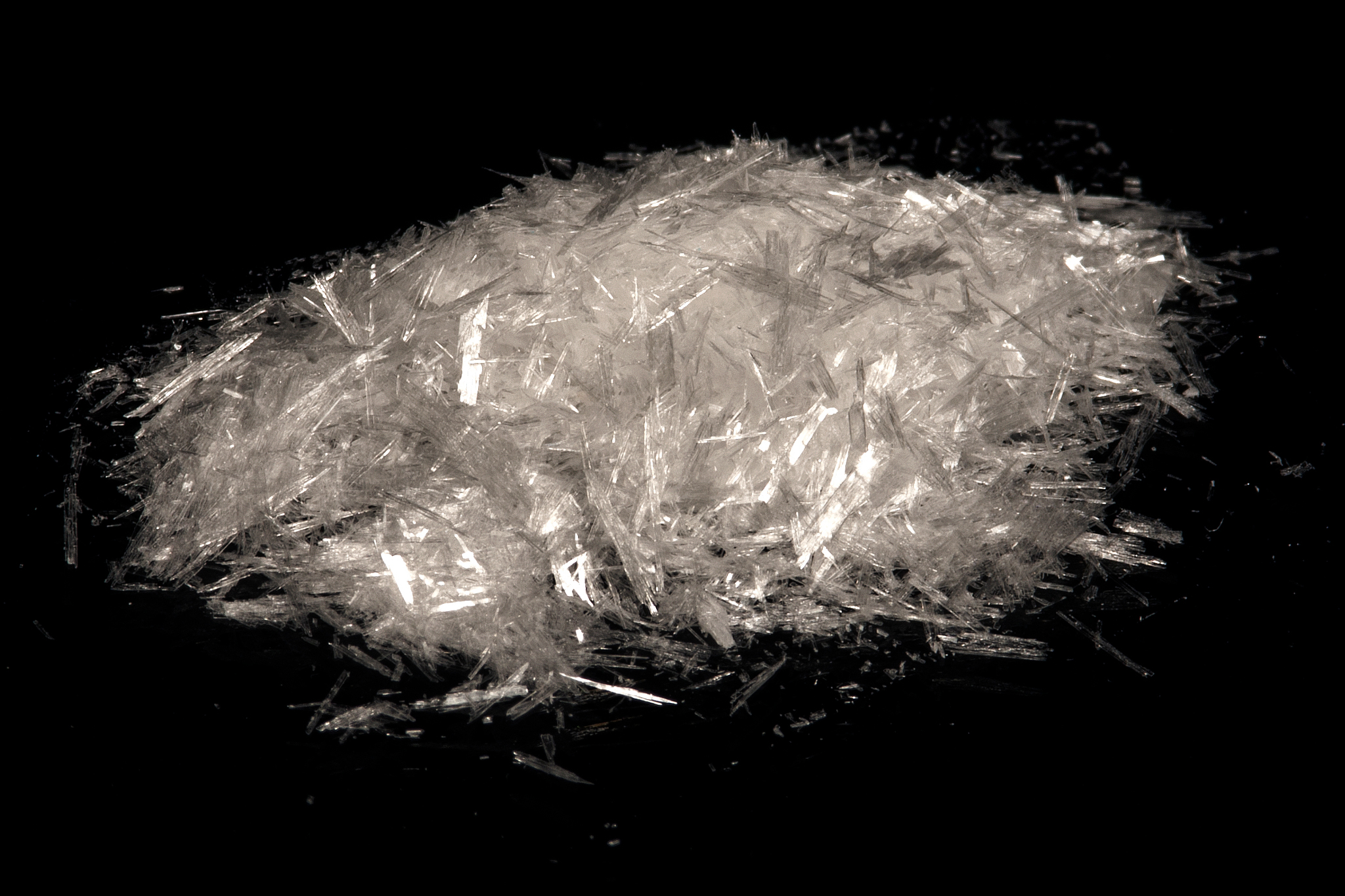
Calcium benzoate is the calcium salt of benzoic acid. Benzoic acid occurs naturally in many plants and fruits, and calcium benzoate is produced synthetically by reacting benzoic acid with a calcium-containing base, such as calcium hydroxide or calcium carbonate. It appears as a white crystalline powder or granules.Usage
Calcium benzoate is primarily used as a preservative in food and beverages. It inhibits the growth of bacteria, yeasts, and molds, thereby extending the shelf life of products. It is particularly effective in acidic environments. Common applications include fruit juices, carbonated drinks, pickles, sauces, and processed foods. The typical usage level varies depending on the application but is generally within the range of 0.1% to 0.3% by weight. It can also be found in some pharmaceutical and cosmetic products for its preservative properties.Side Effects
Benzoates, including calcium benzoate, are generally considered safe for consumption at permitted levels. However, some individuals may experience allergic reactions, such as skin rashes or gastrointestinal upset, particularly those with a known sensitivity to benzoates. There is some concern regarding the potential for benzoates to react with ascorbic acid (vitamin C) in beverages to form benzene, a known carcinogen. However, regulatory authorities monitor benzene levels in food and beverages to ensure they remain within safe limits. The Joint FAO/WHO Expert Committee on Food Additives (JECFA) has established an Acceptable Daily Intake (ADI) for benzoic acid and its salts (including calcium benzoate) of 0-5 mg/kg body weight.Sources
- 📚 EFSA 2016
- 📚 JECFA
- 📚 Wikipedia
- 📚 PubChem
Quick Facts
Type
Preservative
Risk Level
✅ Safe
Vegan?
✅ Yes
Halal?
✅ Yes