
E526
E526 - Calcium hydroxide
✅ Risk Level: Safe • Acidity Regulator
About this additive
Origin
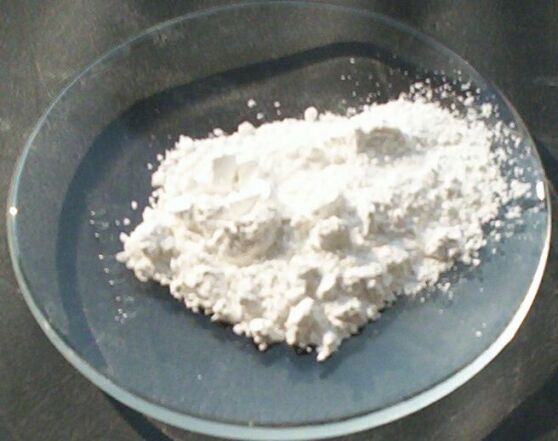
Calcium hydroxide, also known as slaked lime, is an inorganic compound produced by the reaction of calcium oxide (lime or quicklime) with water. It occurs naturally as the mineral portlandite. Industrially, it is manufactured on a large scale for various applications, including food processing.Usage
In the food industry, calcium hydroxide serves multiple purposes. It is used as an acidity regulator, firming agent, and stabilizer. Specifically, it can be found in canned fruits and vegetables to maintain their firmness and prevent spoilage. It is also employed in the production of corn tortillas (nixtamalization), where it helps to soften the corn kernels and improve their nutritional value by releasing bound niacin. In sugar refining, it's used to purify cane or beet juice. Calcium hydroxide is also used in the preparation of certain dairy products and as a source of calcium fortification.Side Effects
Calcium hydroxide is generally recognized as safe (GRAS) by regulatory bodies when used in accordance with good manufacturing practices. Excessive consumption of calcium, in general, can lead to hypercalcemia, a condition characterized by elevated calcium levels in the blood. Symptoms of hypercalcemia may include nausea, vomiting, constipation, abdominal pain, muscle weakness, and fatigue. However, the levels of calcium hydroxide used in food applications are typically low enough to not pose a significant risk of hypercalcemia in individuals with normal kidney function. Individuals with pre-existing kidney problems should exercise caution, as they may be more susceptible to the adverse effects of excessive calcium intake.Regulatory Status
Calcium hydroxide (E526) is approved for use as a food additive in the European Union (EU) and the United States. In the EU, it is subject to specific purity criteria outlined in Commission Regulation (EU) No 231/2012. The US FDA considers it GRAS (Generally Recognized as Safe) under specific conditions of use. There is no established Acceptable Daily Intake (ADI) for calcium hydroxide, as it is considered safe at the levels typically used in food.Sources
- 📚 EFSA 2023
- 📚 FDA CFR 21
- 📚 Wikipedia
- 📚 PubChem
Quick Facts
Type
Acidity Regulator
Risk Level
✅ Safe
Vegan?
✅ Yes
Halal?
✅ Yes