
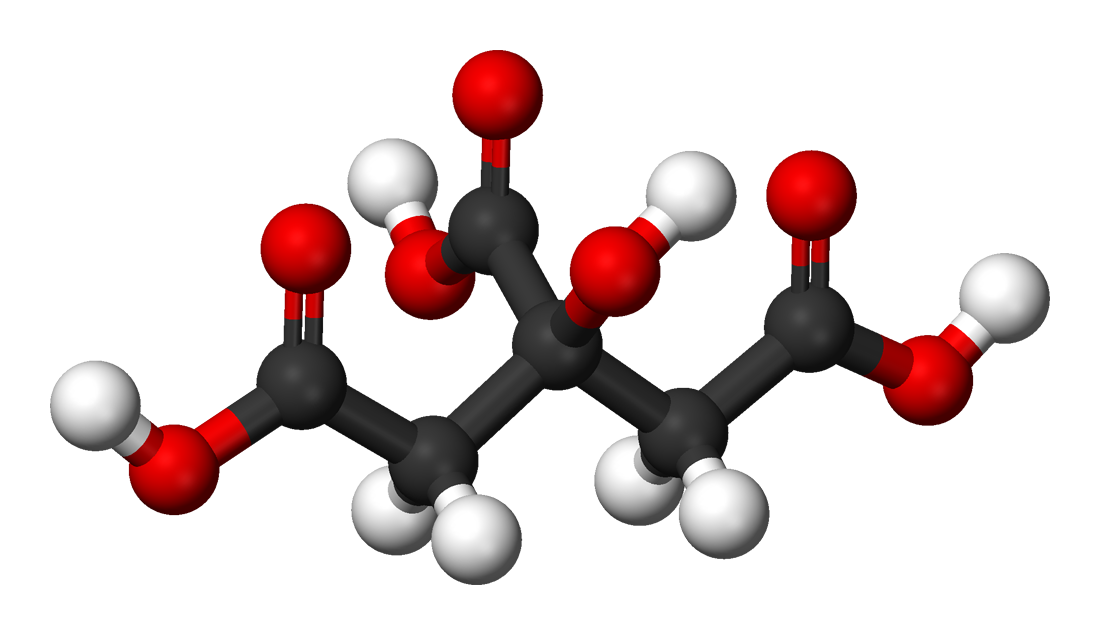
Zitronensäure
✅ Risikostufe: Sicher • Acidity Regulator
Über diesen Zusatzstoff
Herkunft
Zitronensäure ist eine natürlich vorkommende organische Säure, die in Zitrusfrüchten wie Zitronen, Limetten und Orangen enthalten ist. Sie wird auch kommerziell durch mikrobielle Fermentation von Kohlenhydratquellen hergestellt, hauptsächlich unter Verwendung von *Aspergillus niger*. Dieser Fermentationsprozess ermöglicht eine großtechnische Produktion zu relativ geringen Kosten, was sie zu einem weit verbreiteten Lebensmittelzusatzstoff macht.
Verwendung
Zitronensäure ist ein vielseitiger Lebensmittelzusatzstoff mit mehreren Funktionen. Sie wird hauptsächlich als Säuerungsmittel verwendet, um Lebensmitteln und Getränken einen sauren oder herben Geschmack zu verleihen. Sie wirkt auch als Konservierungsmittel, indem sie den pH-Wert senkt, was das Wachstum von Verderbnismikroorganismen hemmt. Darüber hinaus fungiert sie als Antioxidans und verhindert die enzymatische Bräunung von Obst und Gemüse. In Getränken kann sie als Puffermittel wirken, um einen stabilen pH-Wert aufrechtzuerhalten. Zitronensäure wird in einer Vielzahl von Produkten verwendet, darunter Erfrischungsgetränke, Fruchtsäfte, Konfitüren, Gelees, Süßigkeiten und verarbeitete Lebensmittel.
Nebenwirkungen
Zitronensäure wird von Aufsichtsbehörden wie der FDA allgemein als sicher (GRAS) eingestuft. Die Europäische Behörde für Lebensmittelsicherheit (EFSA) hat Zitronensäure ebenfalls bewertet und hält sie bei den derzeitigen Verwendungsniveaus für sicher in Lebensmitteln. Obwohl im Allgemeinen sicher, können einige Personen leichte Nebenwirkungen erfahren, insbesondere wenn sie in großen Mengen konsumiert wird. Dazu gehören Magen-Darm-Beschwerden wie Übelkeit, Erbrechen oder Durchfall. Zahnerosion ist ein weiteres potenzielles Problem bei häufigem Verzehr von sauren Lebensmitteln und Getränken, die Zitronensäure enthalten. Personen mit Empfindlichkeiten oder Allergien sollten auf ihre Aufnahme achten. Für Zitronensäure gibt es keinen festgelegten ADI (Acceptable Daily Intake), was ihre geringe Toxizität widerspiegelt.
Quellen
- 📚 EFSA 2023
- 📚 FDA CFR 21
- 📚 Wikipedia
- 📚 PubChem