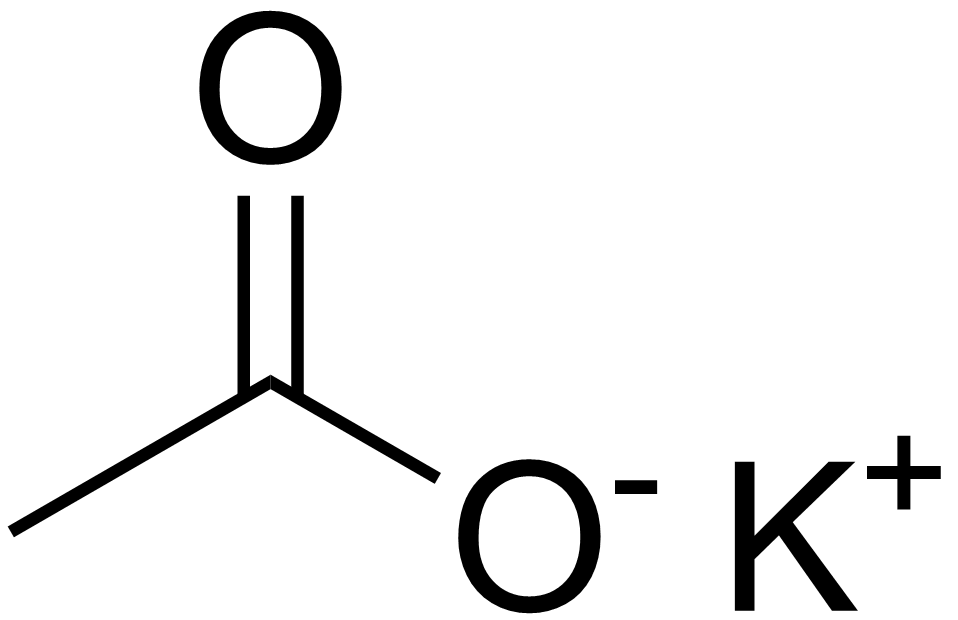
E261 - E261 - Potassium acetate
E261

E261 - Potassium acetate

✅ Risk Level: Safe Preservative

About this additive

Origin

Potassium acetate is a potassium salt of acetic acid. It can be produced through the reaction of acetic acid with a potassium-containing base, such as potassium hydroxide or potassium carbonate. It is a white, crystalline powder that is very soluble in water. It is hygroscopic, meaning it readily absorbs moisture from the air.

Usage

In the food industry, potassium acetate is used as a preservative, acidity regulator, and flavoring agent. It helps to inhibit the growth of microorganisms, extending the shelf life of food products. It is often used in processed meats, baked goods, and sauces. It can also be used as a de-icing agent for airport runways and as a component in drilling fluids. Potassium acetate is also used in medicine as a diuretic and as a source of potassium. It is sometimes used to treat diabetic ketoacidosis. In molecular biology, it is used to precipitate DNA and RNA.

Side Effects

Potassium acetate is generally recognized as safe (GRAS) by regulatory agencies when used in accordance with good manufacturing practices. High doses of potassium acetate can lead to hyperkalemia (elevated potassium levels in the blood), which can cause cardiac arrhythmias and other health problems. However, the levels used in food are typically low enough that this is not a concern for most people. Individuals with kidney problems should be cautious about consuming large amounts of potassium acetate, as their kidneys may not be able to efficiently remove excess potassium from the body. No ADI (Acceptable Daily Intake) has been specifically established, but its use is permitted within good manufacturing practices.

Regulatory Status

Potassium acetate is approved for use as a food additive in many countries, including the United States, the European Union, and Canada. In the EU, it is designated with the E number E261. The FDA considers it GRAS (Generally Recognized as Safe) when used in accordance with good manufacturing practices.

Sources

  • 📚 EFSA 2023
  • 📚 FDA CFR 21
  • 📚 Wikipedia
  • 📚 PubChem
Quick Facts
Type Preservative
Risk Level ✅ Safe
Vegan? ✅ Yes
Halal? ✅ Yes
🌱 Show all Vegan Additives