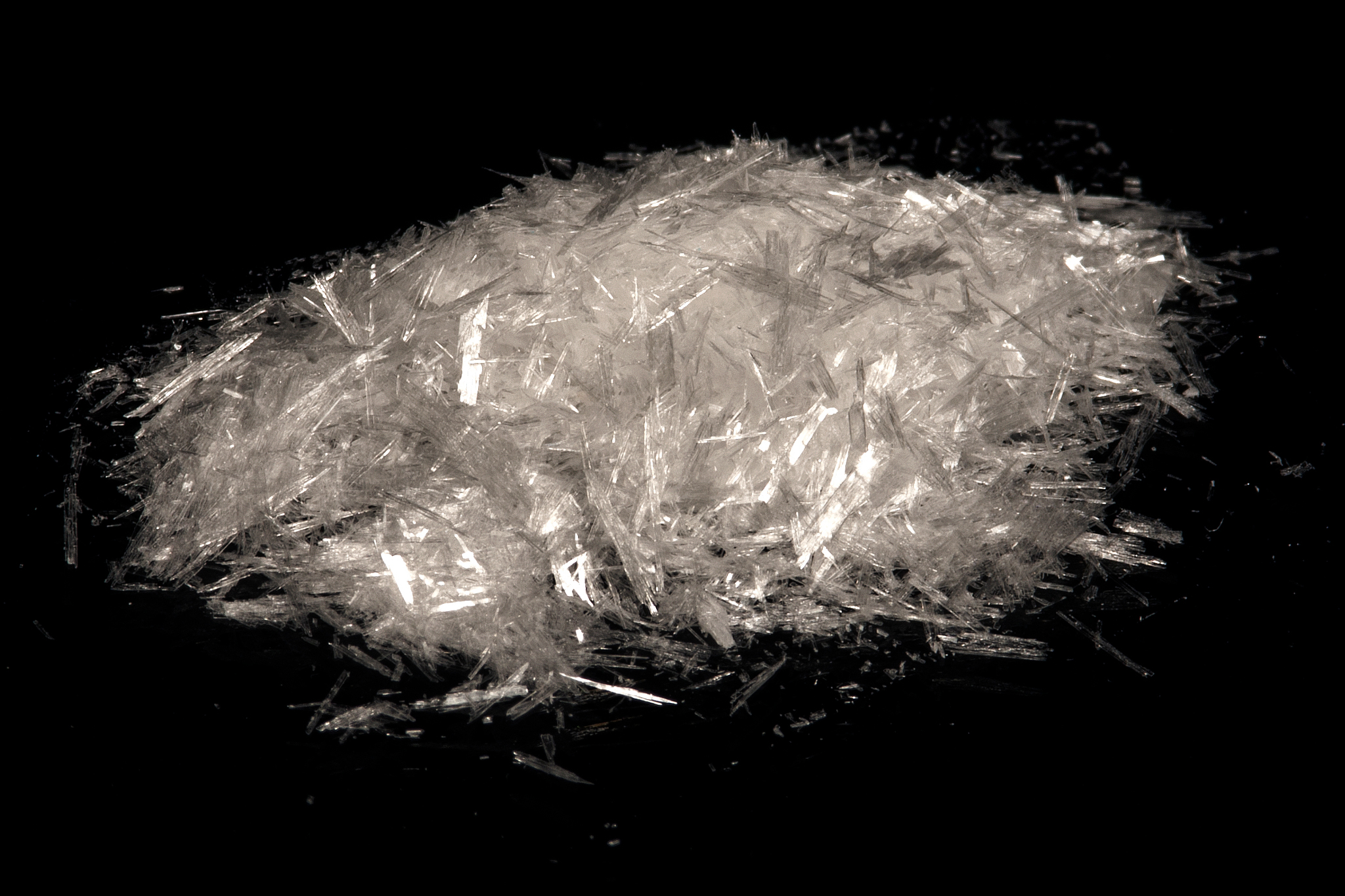
E210
安息香酸
✅ Risk Level: Safe • Preservative
About this additive
Origin
Benzoic acid is a naturally occurring compound found in many plants and animals. It's also commercially synthesized from toluene through partial oxidation. Its salts, such as sodium benzoate, are also commonly used as preservatives.Usage
Benzoic acid and its salts are primarily used as food preservatives, inhibiting the growth of molds, yeasts, and some bacteria. It is most effective in acidic conditions (pH 2.5 to 4.0). It is used in a wide range of products, including fruit juices, carbonated drinks, pickles, salad dressings, jams, and sauces. It is also used in cosmetics and pharmaceuticals as a preservative. The typical usage level in food is between 0.05% and 0.1%.Side Effects
Benzoic acid is generally considered safe for consumption at permitted levels. The Joint FAO/WHO Expert Committee on Food Additives (JECFA) has established an Acceptable Daily Intake (ADI) of 0-5 mg/kg body weight. Some individuals may experience allergic reactions, such as skin irritation or asthma, particularly those sensitive to salicylates. When combined with ascorbic acid (vitamin C), benzoic acid can potentially form small amounts of benzene, a known carcinogen. However, the levels of benzene formed are typically very low and considered to be of minimal risk. Regulatory authorities monitor benzene levels in food and beverages to ensure they remain within safe limits.Regulatory Status
Benzoic acid (E210) is approved for use as a food additive in many countries, including the European Union, the United States, and Canada. Regulations specify the maximum permitted levels in various food categories. In the EU, it is subject to specific purity criteria and labeling requirements.Sources
- 📚 EFSA 2016
- 📚 FDA CFR 21
- 📚 JECFA
- 📚 Wikipedia
- 📚 PubChem
Quick Facts
Type
Preservative
Risk Level
✅ Safe
Vegan?
✅ Yes
Halal?
✅ Yes