E410
ローカストビーンガム
✅ Risk Level: Safe • Thickener/Stabilizer
About this additive
Origin
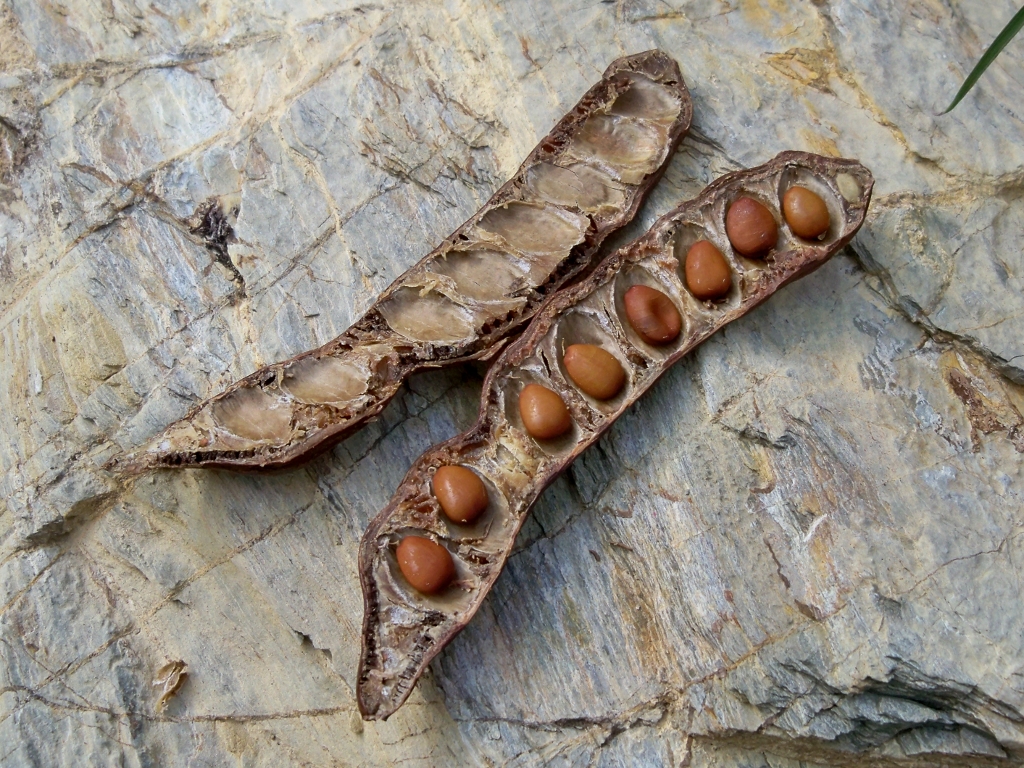
Locust bean gum (LBG), also known as carob bean gum, is a galactomannan vegetable gum extracted from the seeds of the carob tree (Ceratonia siliqua), which is native to the Mediterranean region. The carob tree's pods contain seeds that are separated, milled, and screened to obtain the endosperm, which is then milled into locust bean gum powder. The gum consists primarily of high-molecular-weight polysaccharides composed of galactose and mannose units combined through glycosidic linkages. The ratio of mannose to galactose is approximately 4:1.Usage
Locust bean gum is widely used in the food industry as a thickening agent, stabilizer, emulsifier, and texturizer. It is often used in ice cream to prevent the formation of ice crystals, resulting in a smoother texture. It is also used in dairy products, processed fruits, sauces, dressings, and baked goods to improve viscosity, stability, and overall mouthfeel. LBG is effective in both hot and cold applications and is often used in combination with other hydrocolloids, such as carrageenan or xanthan gum, to achieve synergistic effects and enhanced functionality. The European Union permits its use in a wide variety of foods at levels dictated by good manufacturing practice (GMP).Side Effects
Locust bean gum is generally considered safe for consumption. The Joint FAO/WHO Expert Committee on Food Additives (JECFA) has established an Acceptable Daily Intake (ADI) of 'not specified', meaning that, based on available data, the total dietary intake of the substance arising from its use at levels necessary to achieve the desired technological effect does not represent a hazard to health. Some individuals may experience mild gastrointestinal discomfort, such as bloating or gas, if consumed in large quantities. Allergic reactions to LBG are rare but possible.Regulatory Status
Locust bean gum is approved for use as a food additive in many countries, including the United States, the European Union, and Canada. In the EU, it is designated as E410. The FDA considers LBG as Generally Recognized As Safe (GRAS) when used in accordance with good manufacturing practice. Regulatory limits vary depending on the specific food application.Sources
- 📚 EFSA 2018
- 📚 FDA CFR 21 §184.1343
- 📚 JECFA
- 📚 Wikipedia
- 📚 PubChem
Quick Facts
Type
Thickener/Stabilizer
Risk Level
✅ Safe
Vegan?
✅ Yes
Halal?
✅ Yes