E528 - E528 - Magnesium hydroxide
E528

E528 - Magnesium hydroxide

✅ Risk Level: Safe Acidity Regulator

About this additive

Origin

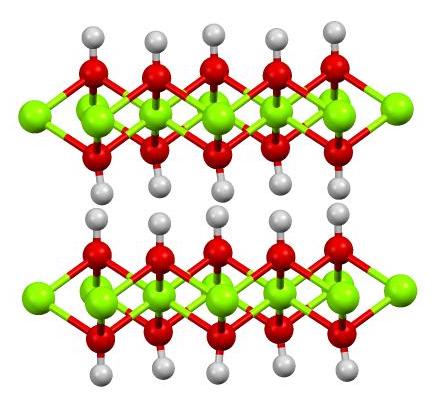
Magnesium hydroxide, also known as milk of magnesia when in suspension, is an inorganic compound with the chemical formula Mg(OH)2. It occurs naturally as the mineral brucite. Industrially, it is produced by reacting magnesium salts with alkaline solutions, or by hydrating magnesium oxide. The resulting precipitate is then filtered, washed, and dried to obtain magnesium hydroxide.

Usage

E528, magnesium hydroxide, is used in the food industry primarily as an acidity regulator. It helps to control the pH of food products, preventing them from becoming too acidic. This is particularly useful in canned vegetables and fruits, where it helps to maintain the color and texture of the food during processing and storage. It is also used as a source of magnesium, an essential mineral. Magnesium hydroxide is also used in antacids and laxatives due to its ability to neutralize stomach acid and promote bowel movements.

Side Effects

Magnesium hydroxide is generally considered safe for consumption at levels typically used in food. The European Food Safety Authority (EFSA) has established an Acceptable Daily Intake (ADI) of 'no limit' when used as a food additive. However, excessive consumption can lead to side effects such as diarrhea, abdominal cramping, and nausea. In individuals with impaired kidney function, high doses of magnesium can lead to hypermagnesemia, a condition characterized by elevated magnesium levels in the blood, which can cause serious health problems. Individuals with kidney problems should consult a healthcare professional before consuming large amounts of magnesium hydroxide.

Regulatory Status

Magnesium hydroxide (E528) is approved for use as a food additive in the European Union. It is also Generally Recognized As Safe (GRAS) by the U.S. Food and Drug Administration (FDA) when used in accordance with good manufacturing practices. Regulations specify the maximum levels at which it can be used in various food categories to ensure safety and efficacy.

Sources

  • 📚 EFSA 2018
  • 📚 FDA CFR 21
  • 📚 Wikipedia
  • 📚 PubChem
Quick Facts
Type Acidity Regulator
Risk Level ✅ Safe
Vegan? ✅ Yes
Halal? ✅ Yes
🌱 Show all Vegan Additives