
E331III
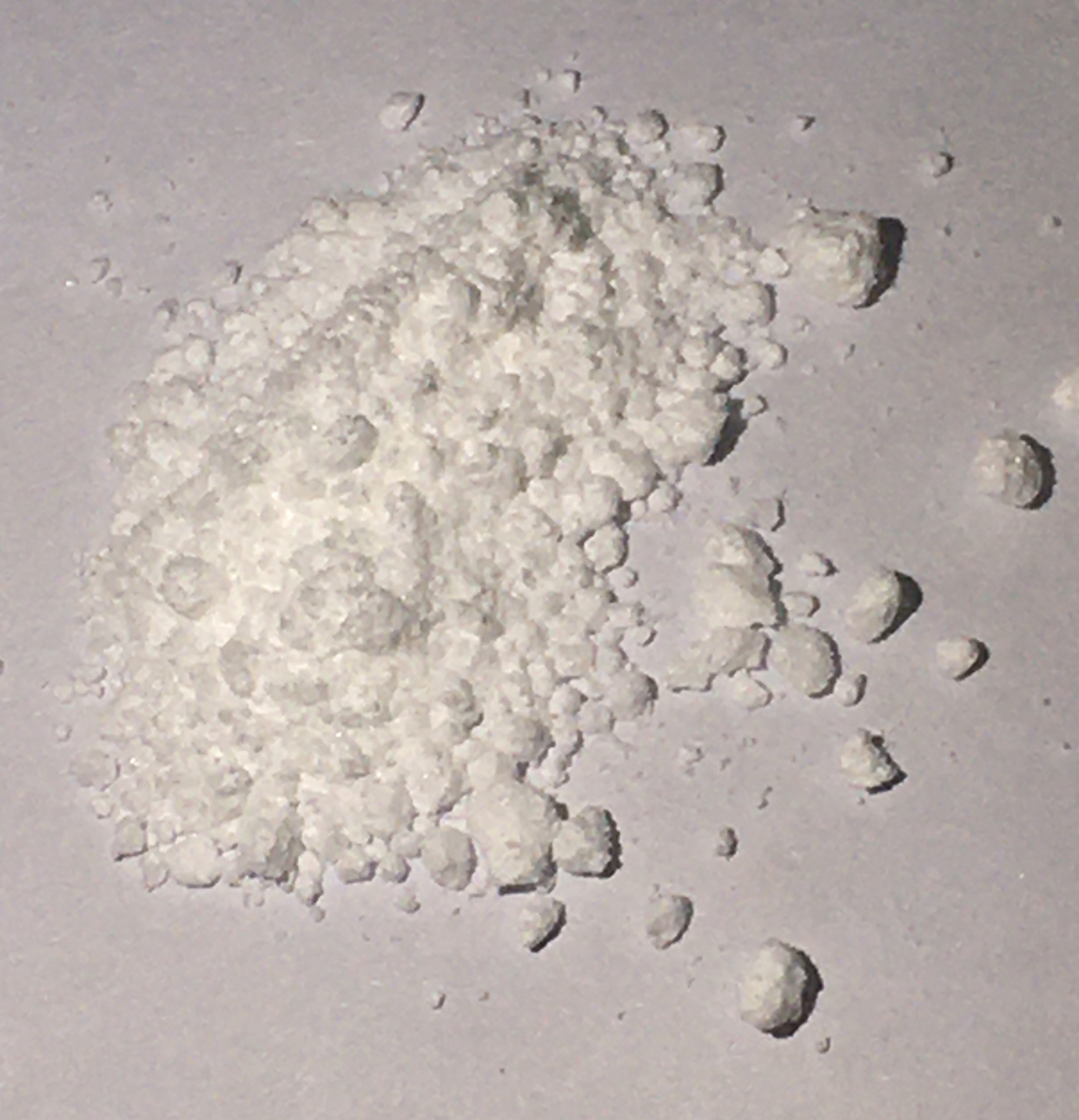
E331iii - Trinatriumcitrat
✅ Risikostufe: Sicher • Additive
Über diesen Zusatzstoff
Herkunft
Trinatriumcitrat ist das Trinatrium-Salz der Zitronensäure. Zitronensäure ist eine natürlich vorkommende organische Säure, die in Zitrusfrüchten wie Zitronen und Limetten enthalten ist. Industriell wird sie durch Fermentation von Kohlenhydratquellen wie Melasse oder Maissirup unter Verwendung von *Aspergillus niger* hergestellt.Verwendung
Trinatriumcitrat wird in der Lebensmittel- und Getränkeindustrie häufig als Säureregulator, Puffer, Emulgator und Sequestriermittel eingesetzt. Es hilft, den pH-Wert von Lebensmitteln zu kontrollieren und verhindert, dass diese zu sauer oder zu basisch werden. Es wird auch als Emulgator in Käseprodukten verwendet, um die Trennung von Fetten zu verhindern. Als Sequestriermittel bindet es Metallionen und verhindert, dass diese mit anderen Bestandteilen in Lebensmitteln reagieren und Verfärbungen oder Geschmacksfehler verursachen. In der pharmazeutischen Industrie wird es als Antikoagulans und zur pH-Wert-Regulierung von Medikamenten eingesetzt. Es findet auch Verwendung in Wasch- und Reinigungsmitteln.Nebenwirkungen
Trinatriumcitrat wird von Aufsichtsbehörden wie der FDA allgemein als sicher (GRAS) eingestuft. Der Gemeinsame FAO/WHO-Sachverständigenausschuss für Lebensmittelzusatzstoffe (JECFA) hat eine „nicht spezifizierte“ annehmbare Tagesdosis (ADI) festgelegt, was bedeutet, dass es bei den üblicherweise in Lebensmitteln verwendeten Mengen kein Gesundheitsrisiko darstellt. Ein übermäßiger Verzehr von Trinatriumcitrat kann jedoch bei manchen Personen zu leichten Magen-Darm-Beschwerden führen. Hohe Dosen können potenziell den Elektrolythaushalt beeinflussen, dies ist jedoch bei typischer Lebensmittelverwendung selten. Personen mit Nierenproblemen sollten Vorsicht walten lassen, da eine übermäßige Citratzufuhr ihren Zustand potenziell verschlimmern könnte.Regulierungsstatus
Trinatriumcitrat ist in vielen Ländern, einschließlich den Vereinigten Staaten, der Europäischen Union und Kanada, als Lebensmittelzusatzstoff zugelassen. In der EU ist es als E331iii gekennzeichnet. Es unterliegt Vorschriften bezüglich seiner Reinheit und der Verwendungsmengen in verschiedenen Lebensmittelprodukten. Die FDA stuft es als GRAS (Generally Recognized As Safe) ein, wenn es gemäß den guten Herstellungspraktiken verwendet wird.Quellen
- 📚 EFSA 2023
- 📚 FDA CFR 21
- 📚 Wikipedia
- 📚 PubChem
- 📚 JECFA
Kurzinfos
Typ
Additive
Risikostufe
✅ Sicher
Vegan?
✅ Ja
Halal?
❓ Vielleicht