E425II
E425ii - Konjac glucomannan
⚠️ Risk Level: Caution • Additive
About this additive
Origin
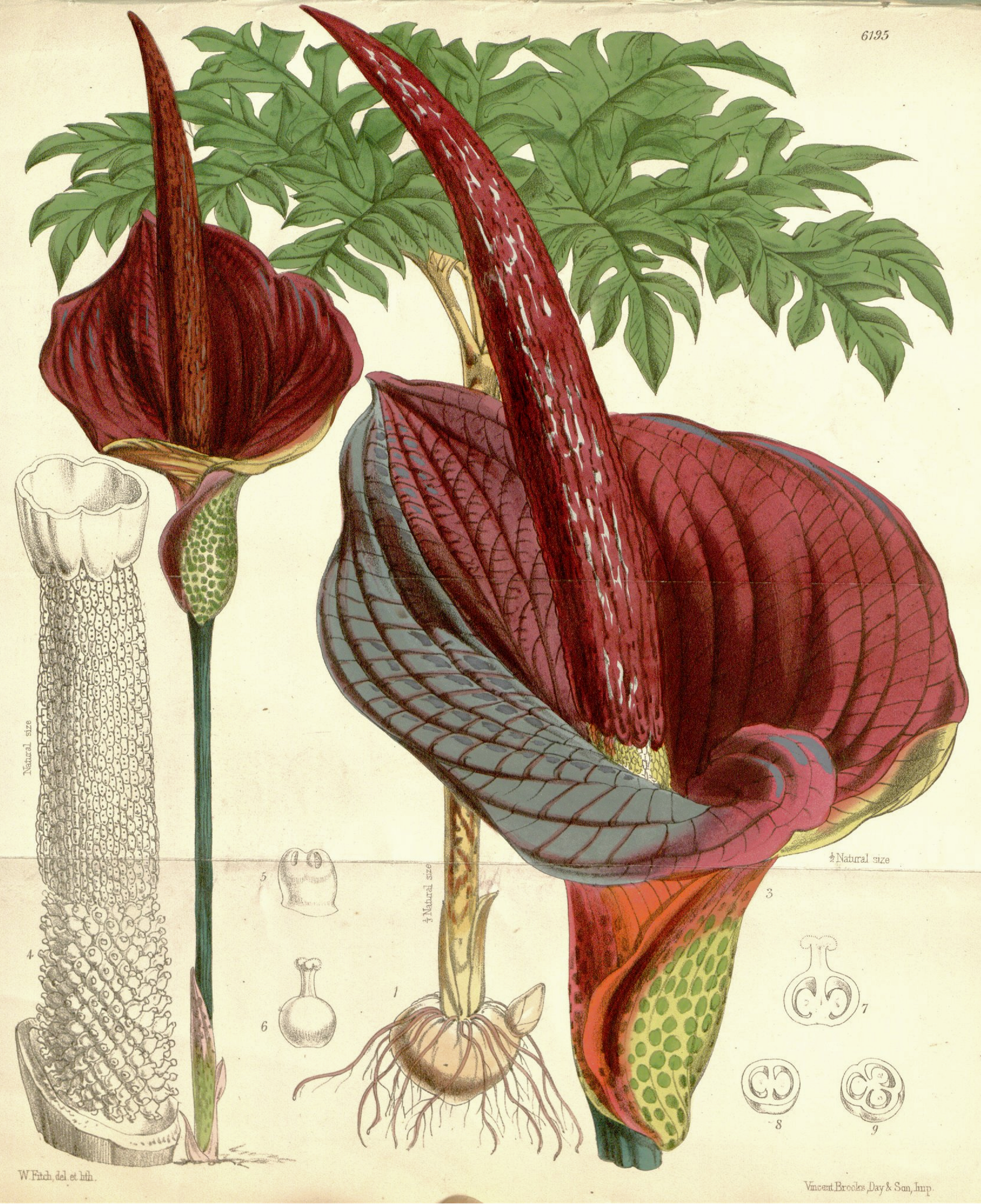
Konjac glucomannan (KGM) is a water-soluble polysaccharide derived from the root of the konjac plant (Amorphophallus konjac), native to East Asia. The konjac root is processed to extract the glucomannan, which is then purified and dried to form a powder. It is primarily composed of D-glucose and D-mannose in a molar ratio of approximately 1:1.6, linked by β-1,4-glycosidic bonds. The presence of acetyl groups contributes to its solubility and unique properties.Usage
Konjac glucomannan is widely used in the food industry as a thickener, stabilizer, gelling agent, and dietary fiber. It has a high water-holding capacity and can form a viscous solution even at low concentrations. It is used in products such as noodles (e.g., shirataki noodles), desserts, jellies, beverages, and processed foods. Due to its high fiber content, it is also used in dietary supplements aimed at promoting weight loss and improving bowel regularity. The European Food Safety Authority (EFSA) has approved health claims related to konjac glucomannan's contribution to weight loss and maintenance of normal blood cholesterol levels, provided specific conditions of use are met.Side Effects
Konjac glucomannan is generally considered safe for consumption when used appropriately. However, it can cause gastrointestinal discomfort, such as bloating, flatulence, and abdominal cramps, especially when consumed in large quantities or without sufficient water. There is a risk of esophageal obstruction if the powder or capsules are ingested without adequate fluid, as the glucomannan can swell rapidly and block the esophagus. It is crucial to consume konjac glucomannan with plenty of water. The EFSA has established a safe intake level, and products containing konjac glucomannan must carry appropriate warnings regarding the risk of choking for individuals with swallowing difficulties or when consumed without adequate liquid. The ADI (Acceptable Daily Intake) is not specified, indicating a high margin of safety when used as intended.Sources
- 📚 EFSA Journal 2010;8(10):1798
- 📚 FDA - CFR Title 21 Part 184
- 📚 Wikipedia
- 📚 PubChem
Quick Facts
Type
Additive
Risk Level
⚠️ Caution
Vegan?
✅ Yes
Halal?
❓ Maybe