E463
E463 - Hydroxypropyl cellulose
✅ Risk Level: Safe • Thickener/Stabilizer
About this additive
Origin
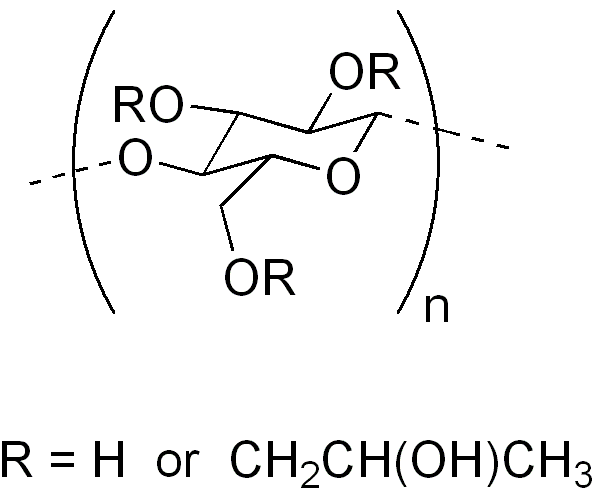
Hydroxypropyl cellulose (HPC) is a non-ionic water-soluble cellulose ether. It is derived from cellulose, a natural polymer found in the cell walls of plants, typically wood pulp or cotton linters. The cellulose is chemically modified by reacting it with propylene oxide, introducing hydroxypropyl groups along the cellulose chain. This modification enhances its solubility in water and other solvents.Usage
Hydroxypropyl cellulose is used in a wide range of applications due to its thickening, binding, film-forming, and stabilizing properties. In the food industry, it serves as a thickener, emulsifier, and stabilizer in various food products, including sauces, dressings, desserts, and baked goods. It can also be used as a coating for tablets and capsules in the pharmaceutical industry. Furthermore, it finds applications in adhesives, construction materials, and personal care products like shampoos and lotions. HPC is also used in the production of controlled-release drug formulations.Side Effects
Hydroxypropyl cellulose is generally considered safe for consumption. The Joint FAO/WHO Expert Committee on Food Additives (JECFA) has established an Acceptable Daily Intake (ADI) of 'not specified', indicating that, based on available data, the total daily intake of the food additive does not represent a hazard to health. However, like other cellulose derivatives, excessive consumption may lead to gastrointestinal discomfort, such as bloating or diarrhea, in sensitive individuals. Allergic reactions are rare but possible. Regulatory bodies like the EFSA and FDA have approved its use in food under specific conditions and limitations.Sources
- 📚 EFSA 2018
- 📚 FDA CFR 21
- 📚 JECFA
Quick Facts
Type
Thickener/Stabilizer
Risk Level
✅ Safe
Vegan?
✅ Yes
Halal?
✅ Yes