
E331I
E331i - Mononatriumcitrat
✅ Risikostufe: Sicher • Additive
Über diesen Zusatzstoff
Herkunft
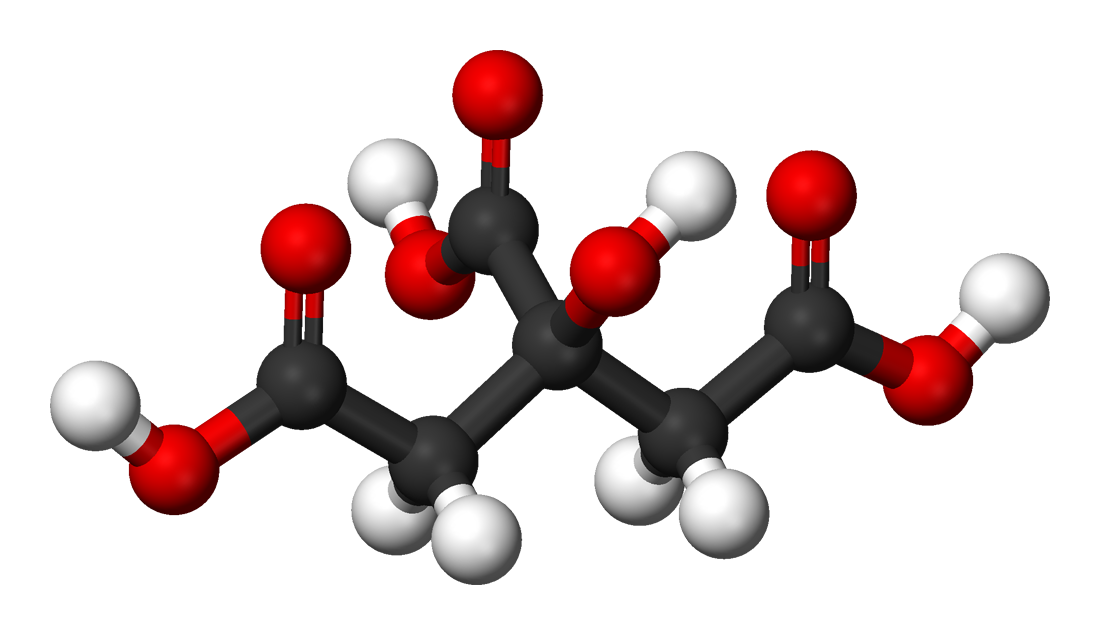
Mononatriumcitrat ist ein Natriumsalz der Zitronensäure. Es wird durch die partielle Neutralisation von Zitronensäure mit einer Natriumquelle, wie Natriumhydroxid oder Natriumcarbonat, gefolgt von Kristallisation und Trocknung, hergestellt. Zitronensäure selbst kommt natürlicherweise in Zitrusfrüchten vor, wird aber für die kommerzielle Produktion typischerweise durch Fermentation von Zuckern mittels *Aspergillus niger* gewonnen.Verwendung
Mononatriumcitrat wird in der Lebensmittel- und Getränkeindustrie häufig als Aromastoff, pH-Regulator, Puffermittel und Emulgator eingesetzt. Es hilft, den Säuregehalt von Lebensmitteln und Getränken zu kontrollieren, Verderb zu verhindern und ein gleichbleibendes Geschmacksprofil zu erhalten. Es wird auch verwendet, um die Textur und Stabilität von verarbeiteten Lebensmitteln zu verbessern. In der pharmazeutischen Industrie wird es als Antikoagulans und zur pH-Wert-Kontrolle bestimmter Medikamente eingesetzt. Typische Anwendungen umfassen Getränke, Schmelzkäse, Konfitüren, Gelees sowie verarbeitetes Obst und Gemüse. Es wird auch in einigen Reinigungsmitteln und Waschmitteln verwendet.Nebenwirkungen
Mononatriumcitrat wird von Aufsichtsbehörden wie der FDA im Allgemeinen als sicher (GRAS) eingestuft, wenn es gemäß den guten Herstellungspraktiken verwendet wird. Der Gemeinsame FAO/WHO-Sachverständigenausschuss für Lebensmittelzusatzstoffe (JECFA) hat eine akzeptable Tagesdosis (ADI) für Zitronensäure und ihre Salze, einschließlich Mononatriumcitrat, als „nicht begrenzt“ festgelegt, was bedeutet, dass es bei den üblicherweise in Lebensmitteln verwendeten Mengen kein Gesundheitsrisiko darstellt. Ein übermäßiger Verzehr von Zitronensäure und ihren Salzen kann jedoch bei manchen Personen leichte Magen-Darm-Beschwerden verursachen. Es sind keine signifikanten langfristigen Gesundheitsrisiken im Zusammenhang mit dem Verzehr in normalen Mengen bekannt.Quellen
- 📚 EFSA 2023
- 📚 FDA CFR 21
- 📚 Wikipedia
- 📚 PubChem
- 📚 JECFA
Kurzinfos
Typ
Additive
Risikostufe
✅ Sicher
Vegan?
✅ Ja
Halal?
❓ Vielleicht