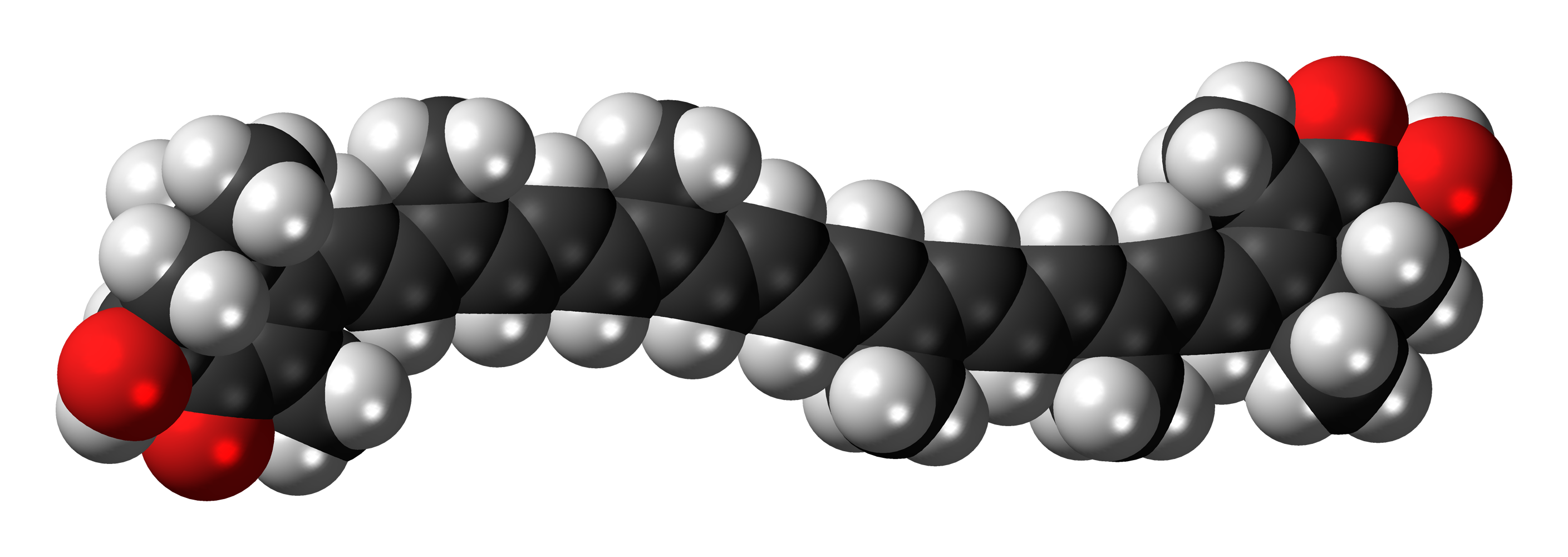
E161J
E161j - Astaxanthin
✅ Risk Level: Safe • Additive
About this additive
Origin
Astaxanthin is a naturally occurring carotenoid pigment found in various algae, yeast, salmon, trout, krill, shrimp, and crayfish. It is responsible for the pink or red color in these aquatic organisms. Commercially, astaxanthin is produced through several methods, including the cultivation of the microalgae *Haematococcus pluvialis*, chemical synthesis, and fermentation of the yeast *Phaffia rhodozyma*. The astaxanthin derived from *Haematococcus pluvialis* is considered a natural source and is often preferred for dietary supplements and food applications.Usage
Astaxanthin is primarily used as a food coloring agent, providing a reddish-orange hue. It is added to animal feed, particularly for salmon and trout farming, to enhance the color of their flesh, making it more appealing to consumers. In human food products, astaxanthin is used in dietary supplements due to its antioxidant properties. It is also found in some processed foods, such as seafood analogs and certain beverages, to improve their color. Astaxanthin is also being investigated for its potential health benefits, including anti-inflammatory, anti-cancer, and cardiovascular protective effects, although more research is needed to confirm these benefits.Side Effects
Astaxanthin is generally considered safe for human consumption at typical dietary levels. The European Food Safety Authority (EFSA) has established an Acceptable Daily Intake (ADI) of 0.034 mg/kg body weight for astaxanthin derived from *Haematococcus pluvialis*. High doses of astaxanthin may cause mild side effects such as red skin pigmentation (canthaxanthinemia), although this is generally harmless and reversible upon discontinuation of astaxanthin intake. Some individuals may experience gastrointestinal discomfort, such as stomach upset or altered bowel movements, at high doses. There are no known significant drug interactions associated with astaxanthin at normal dietary levels. However, individuals taking medications should consult with their healthcare provider before taking astaxanthin supplements.Sources
- 📚 EFSA 2014
- 📚 FDA CFR 21
- 📚 Wikipedia
- 📚 PubChem
Quick Facts
Type
Additive
Risk Level
✅ Safe
Vegan?
✅ Yes
Halal?
✅ Yes