
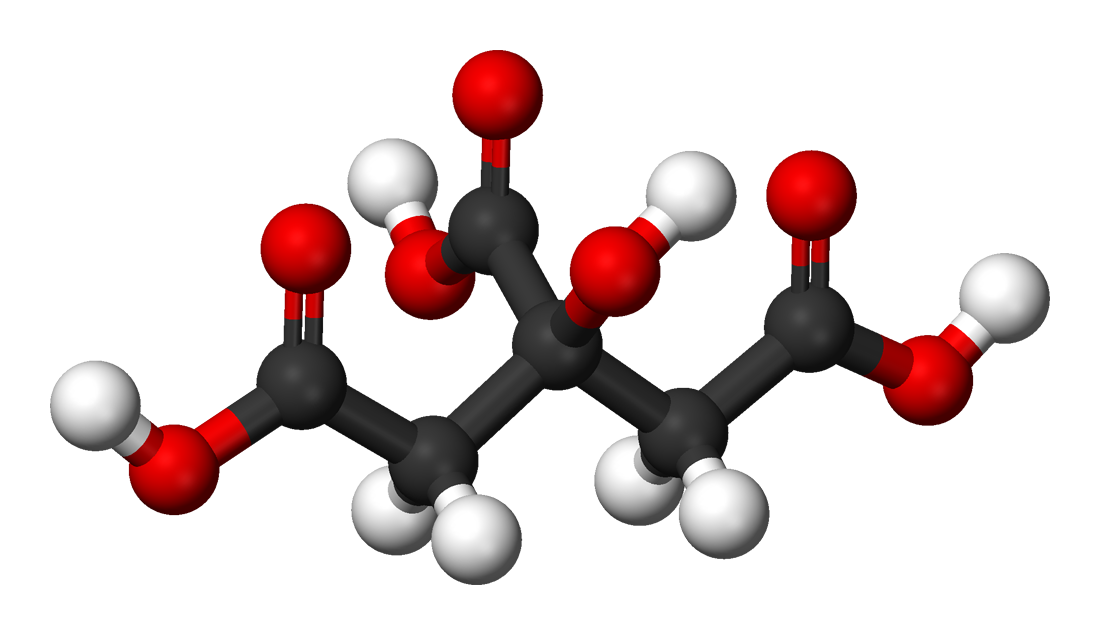
E332I
E332i - Monokaliumcitrat
✅ Risikostufe: Sicher • Additive
Über diesen Zusatzstoff
Herkunft
Monokaliumcitrat ist ein Kaliumsalz der Zitronensäure. Es wird durch die partielle Neutralisation von Zitronensäure mit einer Kaliumquelle, wie Kaliumhydroxid oder Kaliumcarbonat, hergestellt. Zitronensäure wiederum wird typischerweise durch Fermentation von Kohlenhydratquellen wie Mais oder Melasse unter Verwendung von *Aspergillus niger* gewonnen. Die resultierende Zitronensäure wird dann mit einer Kaliumbase umgesetzt, um Monokaliumcitrat zu bilden.Verwendung
Monokaliumcitrat wird in der Lebensmittelindustrie als Säureregulator, Puffer und Sequestriermittel eingesetzt. Es hilft, den pH-Wert von Lebensmitteln zu kontrollieren, Verderb zu verhindern und die gewünschte Textur und den Geschmack zu erhalten. Es wird auch als Mineralstoffzusatz verwendet, der eine Kaliumquelle darstellt. In der pharmazeutischen Industrie wird es in Medikamenten zur Säureregulierung und als Kaliumergänzung eingesetzt. Es ist in Getränken, verarbeiteten Lebensmitteln und Nahrungsergänzungsmitteln zu finden. Es wird auch in einigen Brausetabletten verwendet.Nebenwirkungen
Monokaliumcitrat wird von Aufsichtsbehörden im Allgemeinen als sicher (GRAS) eingestuft, wenn es gemäß den guten Herstellungspraktiken verwendet wird. Ein übermäßiger Verzehr von Kaliumsalzen, einschließlich Monokaliumcitrat, kann zu Hyperkaliämie führen, einem Zustand, der durch erhöhte Kaliumspiegel im Blut gekennzeichnet ist. Symptome einer Hyperkaliämie können Muskelschwäche, Müdigkeit und Herzrhythmusstörungen sein. Personen mit Nierenproblemen oder solche, die Medikamente einnehmen, die den Kaliumspiegel beeinflussen, sollten beim Verzehr von Produkten, die Monokaliumcitrat enthalten, Vorsicht walten lassen. Die EFSA hat keinen spezifischen ADI (Acceptable Daily Intake) für Kaliumcitrate festgelegt, aber ihre Verwendung ist innerhalb der Good Manufacturing Practice (GMP)-Werte zulässig.Regulierungsstatus
Monokaliumcitrat ist in vielen Ländern, einschließlich den Vereinigten Staaten, der Europäischen Union und Kanada, als Lebensmittelzusatzstoff zugelassen. In der EU ist es mit der E-Nummer E332i gekennzeichnet. Die FDA stuft es als GRAS (Generally Recognized As Safe) ein, wenn es gemäß den guten Herstellungspraktiken verwendet wird. Es unterliegt Vorschriften bezüglich seiner Reinheit und der Verwendungsmengen in verschiedenen Lebensmittelprodukten.Quellen
- 📚 EFSA 2023
- 📚 FDA CFR 21
- 📚 Wikipedia
- 📚 PubChem
Kurzinfos
Typ
Additive
Risikostufe
✅ Sicher
Vegan?
✅ Ja
Halal?
❓ Vielleicht